Builder Strategy
Extended Rate Lock Programs
Long construction timelines create a long window of uncertainty. Extended locks are one of the simplest tools for keeping buyer confidence intact from contract to keys.
The challenge
Long timelines, moving markets
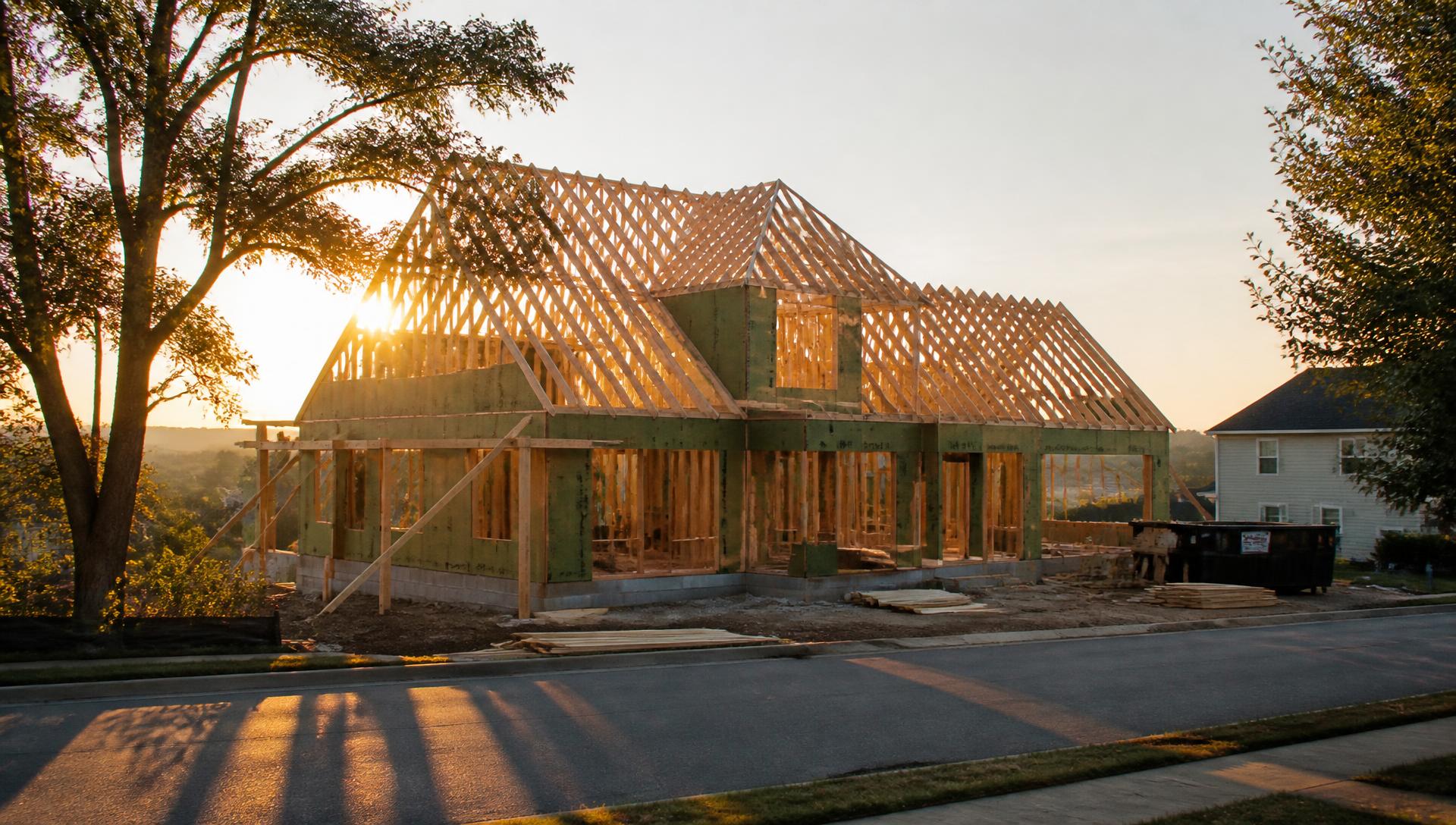
A resale buyer lives with rate uncertainty for about thirty days. A new construction buyer can live with it for six months or more. Same market, very different experience — and that difference is felt in your sales office long before it is felt at settlement.
An extended rate lock holds a buyer's interest rate for a longer period than a standard lock, sized to the length of a build rather than the length of a settlement. It does not change how a buyer qualifies and it does not make a home more affordable. What it does is replace an open question with a known one.
Buyer confidence
What it does for the buyer sitting in your model home
It answers the question buyers actually ask
"What happens to my payment if rates move while you're building?" is the single most common question in a model home during a long build.
It shortens the decision cycle
Buyers who feel exposed to the unknown tend to wait. Removing part of that unknown often moves the decision forward.
It protects the contract you already have
A buyer whose expectations are set at the start is far less likely to renegotiate or walk in the final weeks.
It keeps the payment conversation honest
A defined lock lets everyone talk about a real number instead of a hopeful estimate.
Timeline example
Where it fits in a typical build
- Contract
Application and full underwriting
The buyer applies, submits documentation, and is underwritten. Lock discussions come after there is a real file, not before.
- Early build
Lock strategy set
We match the lock length to the builder's delivery estimate and explain the terms — including cost and extension rules — to the buyer in writing.
- Mid build
Milestone check-ins
As framing, drywall, and mechanicals are completed, we confirm the delivery date is still tracking to the lock window.
- Pre-delivery
Appraisal and final documentation
Updated income and asset documentation is collected so nothing surprises anyone in the last two weeks.
- Closing
Settlement at the locked terms
The buyer closes on the terms they were told about at the start — the entire point of the exercise.
Comparison
Standard lock vs. extended lock
| Standard rate lock | Extended rate lock | |
|---|---|---|
| Typical use | Resale purchase, near closing | New construction, long delivery window |
| Length | Short — weeks | Long — planned around the build |
| Cost | Usually built into standard pricing | Generally carries a cost that varies by program |
| Main benefit | Protects the rate through settlement | Protects the buyer's expectations through construction |
| Key risk to plan for | Closing delay | Delivery delay beyond the lock window |
| Sales conversation | Rarely discussed in the model home | A core part of the confidence conversation |
Builder considerations
What to settle before it is offered
- 01
Match the lock to your real delivery window
Not your best-case window. Weather, inspections, and trade availability all belong in the estimate you give the lender.
- 02
Decide how the cost is handled before it is offered
Longer locks generally carry a cost. Who absorbs it, and how it is disclosed, should be settled before a sales counselor mentions it.
- 03
Know the extension provisions
The most valuable thing you can understand up front is what happens when a home is delivered later than planned.
- 04
Give your team approved language
Anything said about rate locks in the sales office needs to be accurate. We provide wording your counselors can use verbatim.
- 05
Revisit it as the market moves
What is worth offering in one rate environment may be unnecessary in another. This should be reviewed by release, not set once.
Frequently asked
Questions builders commonly ask
What is an extended rate lock, in plain English?
A standard lock holds a buyer's interest rate for a short window near closing. An extended lock holds it for a much longer period — the kind of window a build actually takes.
How long can a lock last?
Lock lengths vary by program, market, and loan type. Rather than quote a number that may not apply to your community, we review your typical delivery window and match it to what is currently available.
Does an extended lock cost anything?
Longer locks generally carry a cost, and how that cost is handled varies by program. It is one of the specifics we walk through before your sales team ever mentions it to a buyer.
What happens if rates fall after the lock?
Some programs include a one-time option to improve the rate under defined conditions. Availability and terms depend on the program and the market at the time, so it should never be promised in advance.
What if the home is delivered late?
This is the most important question to ask up front. Extension provisions differ by program, which is why we plan around a realistic completion date rather than an optimistic one.
Does locking early guarantee approval?
No. A lock addresses the rate, not qualification. Buyers still complete full underwriting and must continue to qualify at closing.
What should our sales counselors say about it?
Something accurate and simple: that longer lock options may be available depending on the program and the buyer's situation, and that the lender will explain the specifics. We provide approved language so nobody has to improvise.
Educational information only. Rate lock availability, lock lengths, costs, float-down options, and extension provisions vary by loan program, market, and investor guidelines and are subject to change without notice. Nothing here is a commitment to lock, an offer of terms, or a guarantee of financing. All buyers are subject to full underwriting and program eligibility.
A conversation, not a pitch
Let's size the lock to your delivery calendar.
Share your typical build window and price points and we'll walk through which lock strategies are realistic for your buyers right now — and how your team should describe them.