“The problem was never the money. It was the order of operations.”
One
The situation
Two working parents, a third child arriving in the spring, and a 1,500 square foot ranch they had outgrown two years earlier. They wanted more room and the same bus stop.
They had substantial equity in the ranch and a low fixed rate on it, which made every option feel like a loss until it was modeled properly.
Two
The challenge
Selling first meant a rental, two moves and a pregnancy in the middle of it. Buying first meant carrying two mortgage payments for an unknown number of weeks.
Contingent offers were being declined in their price band. They needed to make a non-contingent offer without pretending the down payment was already liquid, because it was not. It was in the ranch.
Three
The education
We modeled three sequences honestly: sell first and rent, buy first and carry, and bridge the gap. Each was priced with a real monthly number and a worst-case duration rather than an optimistic one.
We reviewed how a lender qualifies a buyer carrying two properties, and what documentation converts a departing residence from a liability into a manageable one.
We were direct about the tradeoff of a bridge: it buys certainty and costs money. The question was never whether it costs. It was whether the certainty was worth the number.
Four
The financing strategy
Use short-term bridge financing to unlock the ranch's equity for a non-contingent purchase, with a conservative carry period and a defined exit.
- Bridge financing against existing equityEquity in the departing residence funded the down payment so the purchase offer carried no sale contingency.
- Qualified for both paymentsThe file was underwritten assuming the ranch did not sell quickly, so the approval did not depend on a fast sale.
- A defined exitThe bridge was retired at the sale of the ranch, with a longer carry period budgeted than anyone expected to need.
- One move, not twoThe sequence was built around the family's calendar rather than the transaction's convenience.
Five
The outcome
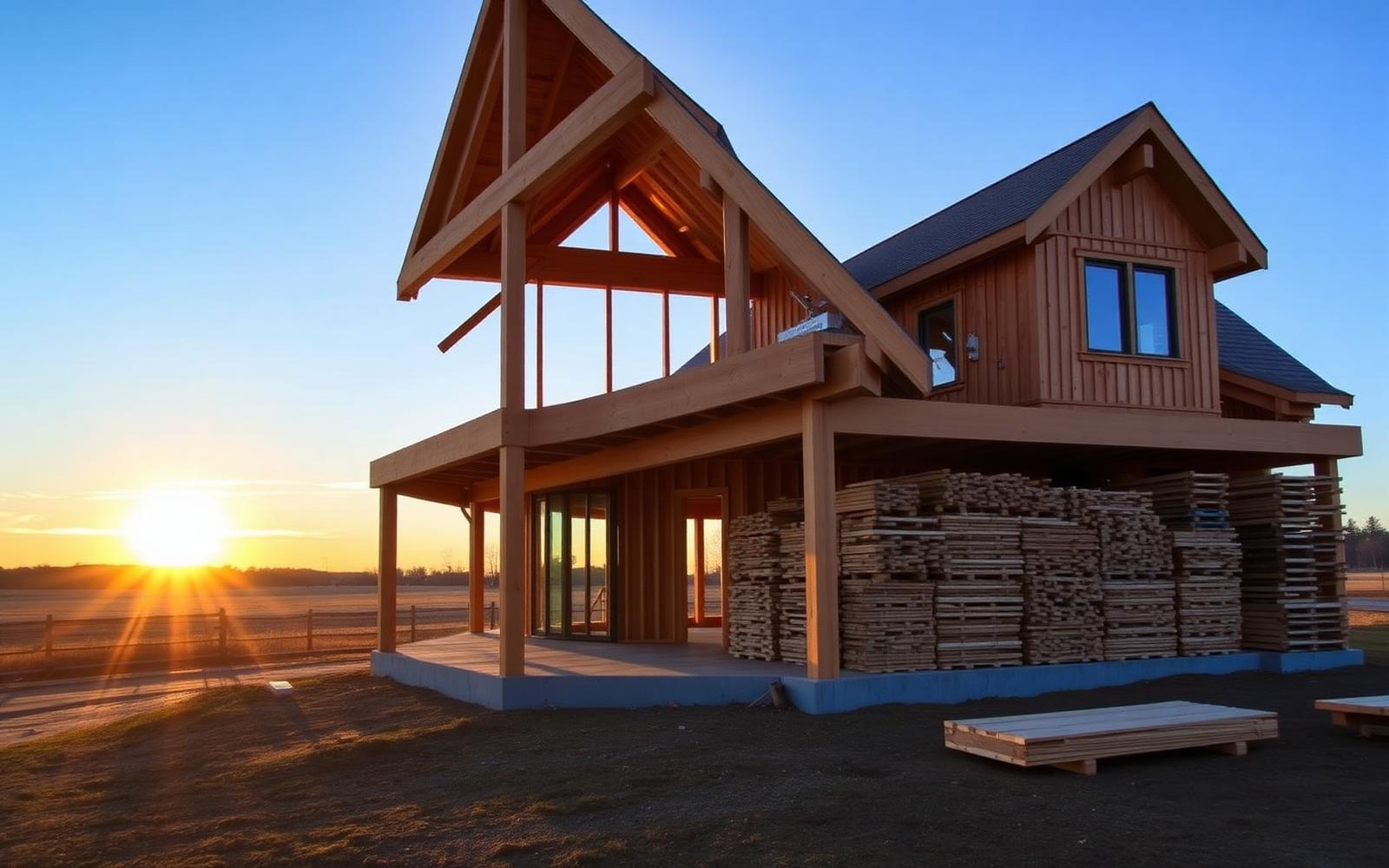
Their offer on the larger home was clean and non-contingent. It was accepted in a week that saw two contingent offers declined on the same street.
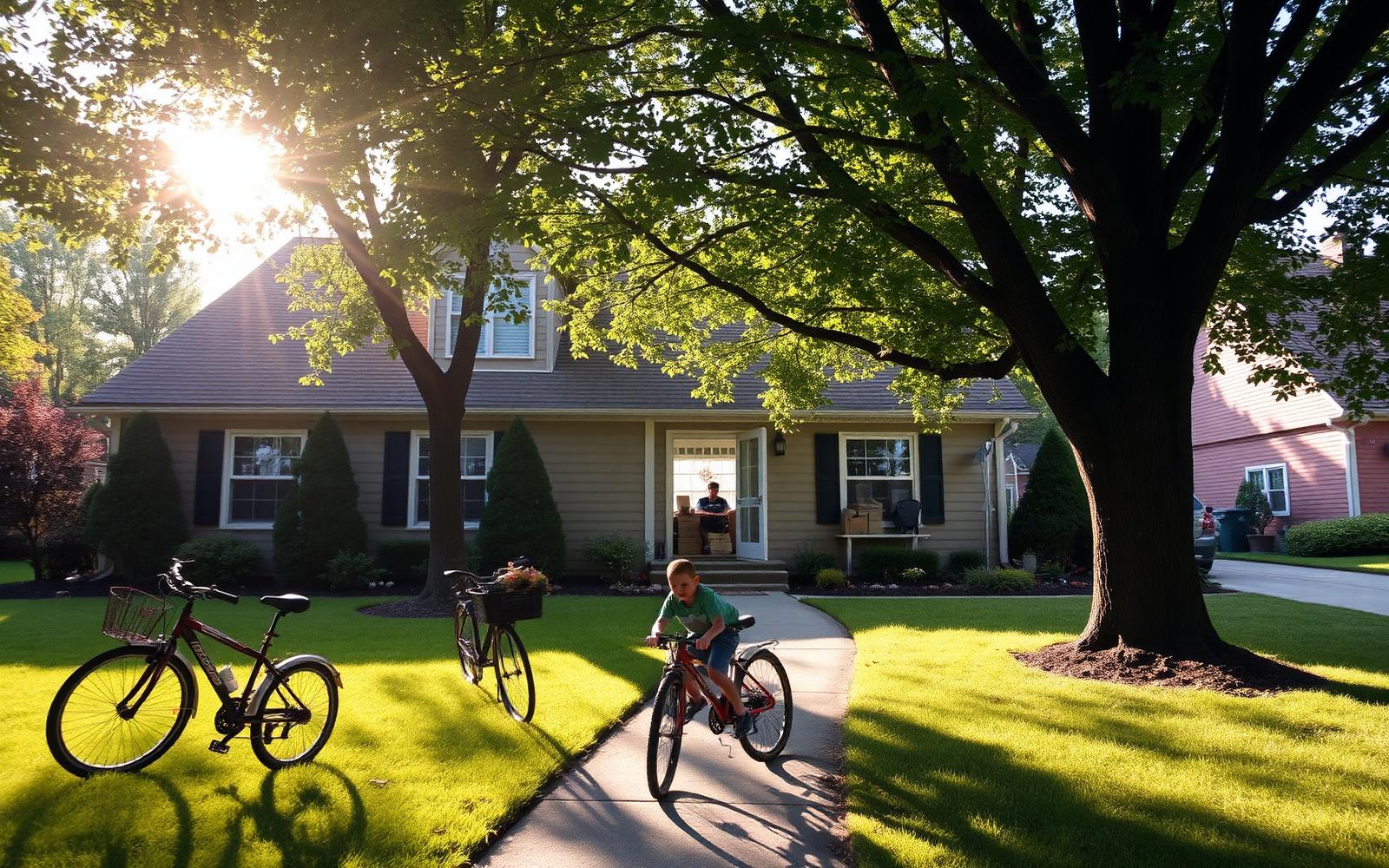
The ranch sold twenty-six days after they moved out and showed empty. The bridge was retired, and the family made exactly one move, in March, before the baby arrived.
Six
What a future buyer can take from this
- Move-up buying is a sequencing problem before it is a financing problem. Model the order first.
- Ask whether you can qualify carrying both homes. If you can, contingencies become optional rather than mandatory.
- An empty, staged house usually sells faster and shows better. Sometimes the cost of bridging is partly recovered in the sale price.
- Price the certainty. Then decide whether it is worth it, with a number in front of you instead of a feeling.
These are case studies, not testimonials. Each one is a composite drawn from situations that recur across Pennsylvania, with identifying details removed and figures rounded for illustration. Nothing here is an offer to lend, a rate quote, or a guarantee of terms. Your own approval, program eligibility, and costs depend on your credit, income, assets, and the property.