If the builder owns the lot
You are buying a new home
A production or semi-custom builder finances construction and delivers a finished home. You use a conventional, FHA, VA, or USDA mortgage and close once, at delivery.
Builder community financingResults update as you type. Use the arrow keys to review suggestions and Enter to open one.
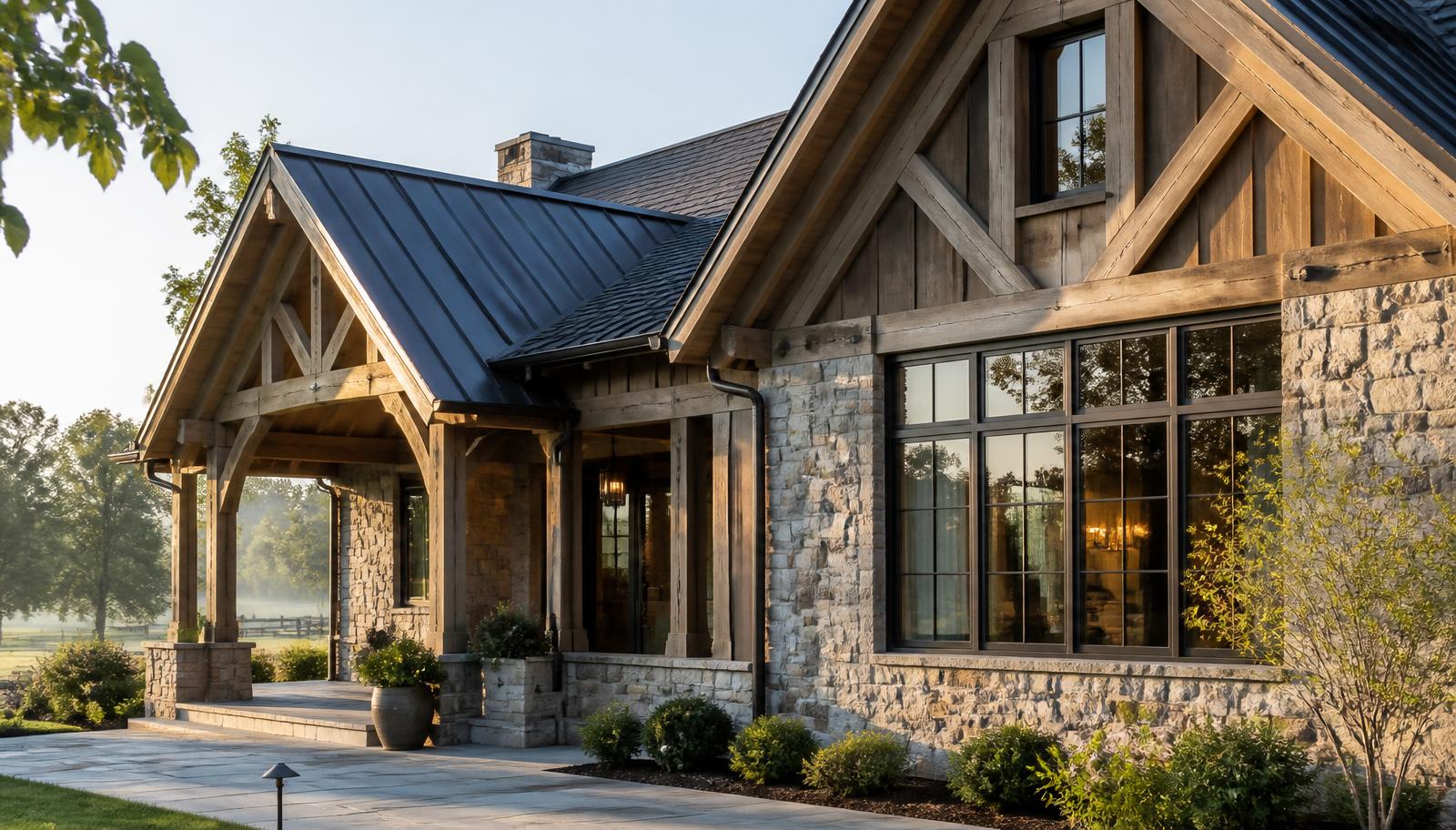
The Building Experience
Not a directory. Not a sales pitch. An education for the year ahead of you.
Why this exists
Which means almost everyone is learning the process while they are inside it, usually from the people selling them something. That is not dishonest. It is simply an incomplete education, delivered late.
This section is the other half. It explains how builders actually work, where money moves and why, what the calendar really looks like, and which financing structure fits which kind of build. It is written for the person at the kitchen table, not for the industry.
There is nothing to sign here, and nothing is gated. When you want a number rather than an explanation, that conversation is one click away and stays there.
The curriculum
Read straight through if you are early, or go directly to the decision in front of you. Chapters still being written are marked honestly rather than linked to nothing.
Choosing
How to read a builder the way an architect reads a drawing: reputation, contract, communication, and the quiet signals that predict the experience.
Editorial profiles of Pennsylvania builders: who they build for, how they build, what to weigh, and what to ask before you sign.
A model home is a beautifully built argument. Walk in with the questions that reveal what is standard and what is staged.
Orientation, grade, trees, drainage, setbacks, and premiums. How the ground you choose shapes the house you get.
Money
Base price, lot premium, structural options, design center, site work, and the line items buyers most often forget until they cannot.
Builder-community financing, builder incentives, preferred lenders, and how to compare an incentive against a rate honestly.
One-Time Close, construction-to-permanent, draws, inspections, and interest-only payments while the house goes up.
Where selections quietly add tens of thousands, which upgrades hold their value, and what is easier to change later.
Time
From first conversation to certificate of occupancy, what actually happens each month and where the delays genuinely come from.
Final walkthrough, punch list, certificate of occupancy, closing, utilities, and the sequencing of your last sixty days.
After the build
What one-year, two-year, and ten-year coverage actually means, and how to document an issue so it gets resolved.
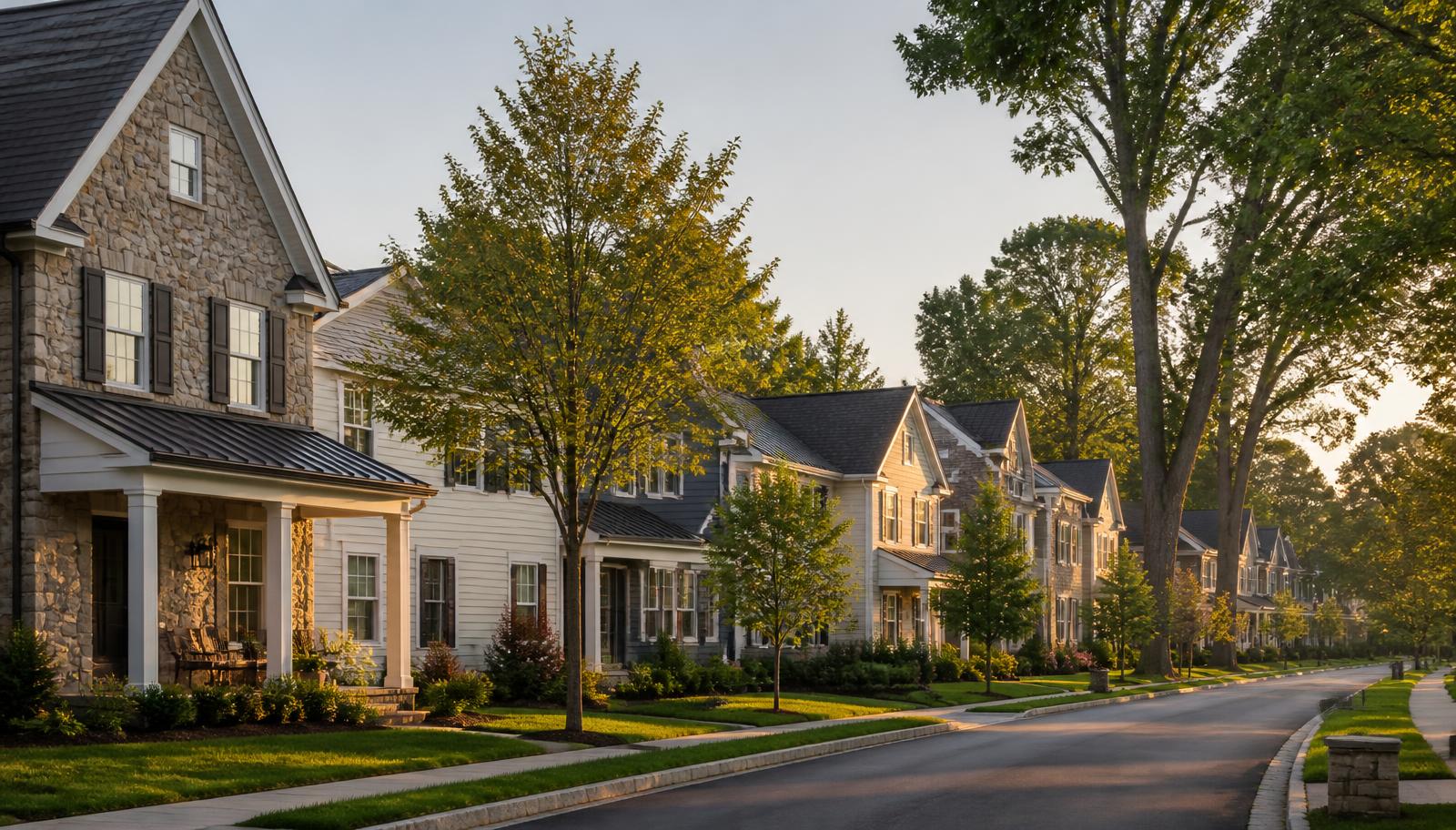
Builder profiles
Every profile follows the same structure: who they build for, where they build, how they build, what they do exceptionally well, what deserves a second look, the questions worth asking, and how financing usually works with them.
Browse builder profilesThe financing fork
Who owns the ground on the day you sign?
If the builder owns the lot
A production or semi-custom builder finances construction and delivers a finished home. You use a conventional, FHA, VA, or USDA mortgage and close once, at delivery.
Builder community financingIf you own or are buying the land
A construction loan funds the build itself. A One-Time Close structure means one closing, interest-only payments on drawn funds, and automatic conversion to your permanent mortgage.
Construction loan educationAre you a builder?
The Builder Resource Center covers forward commitments, extended rate locks, sales counselor support, market intelligence, and partnership.
When you are ready for numbers
565 new construction homes financed, across production communities and custom builds on private land. Bring the plan, the lot, or just the idea.