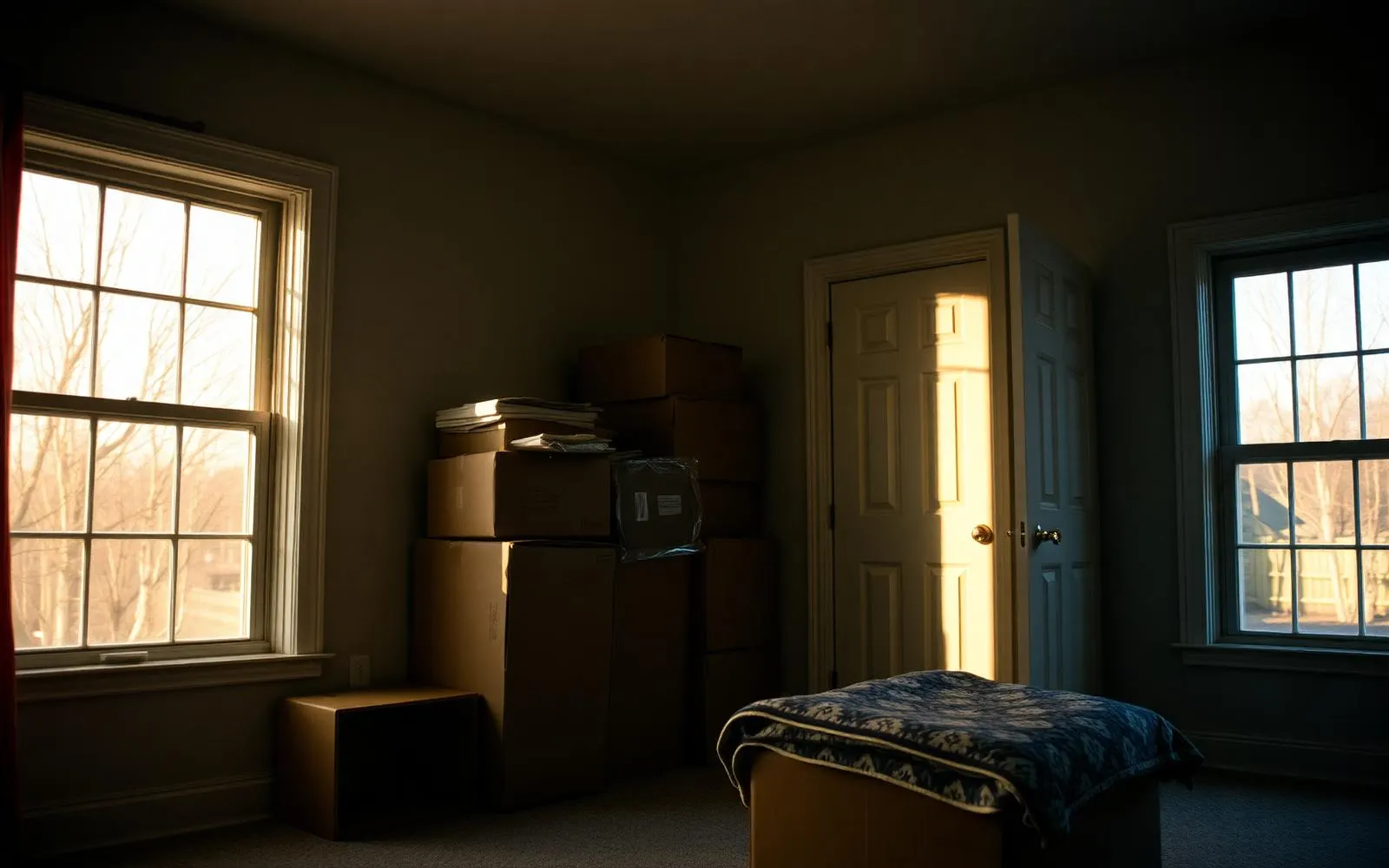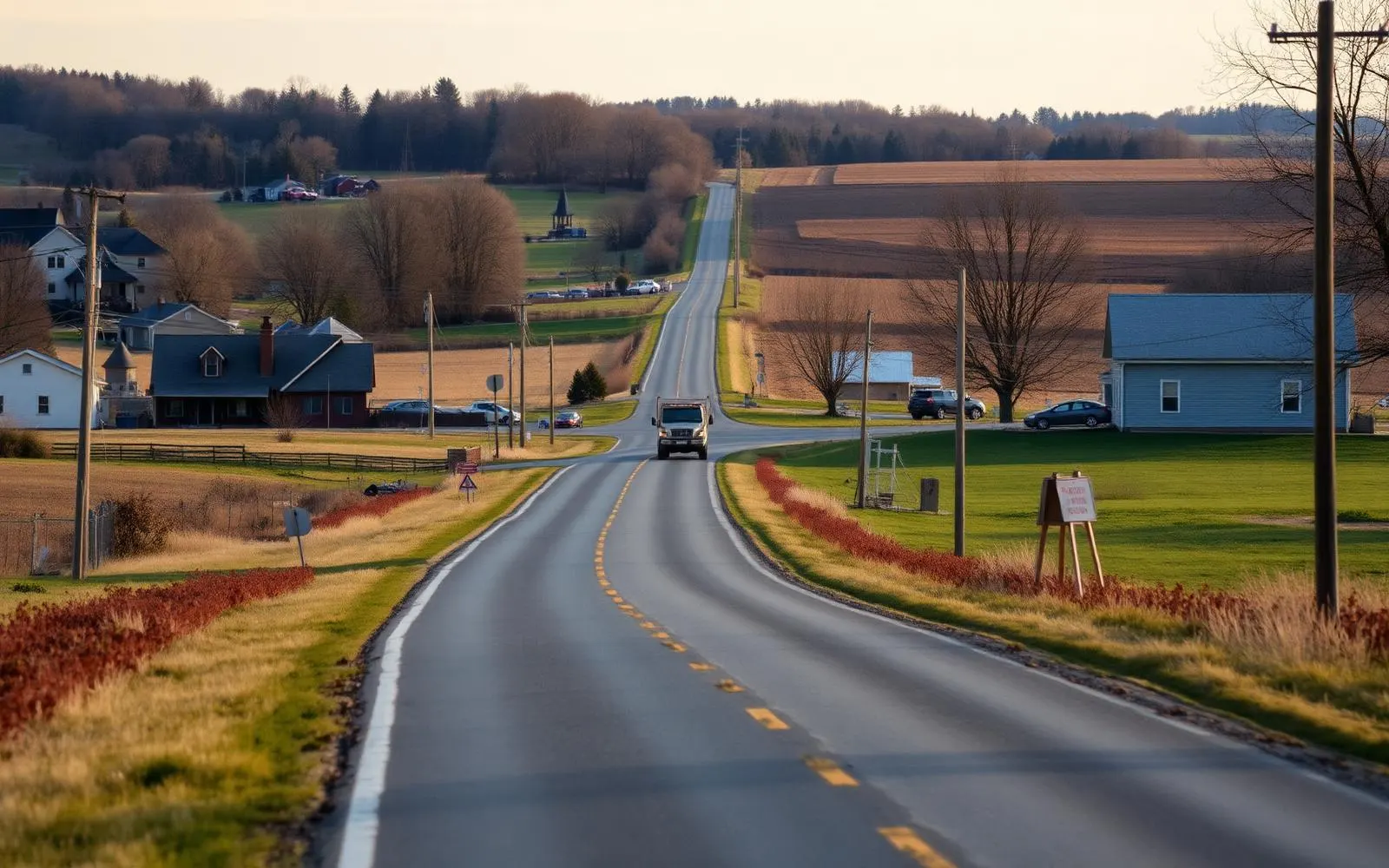
“People move here for space. They stay for the fact that the same faces keep turning up.”
This is a composite rather than a portrait. The details below come from the pattern that repeats when households leave Philadelphia, the New Jersey and New York corridors, Baltimore or the Washington suburbs and land in Lancaster County. No single family experiences all of it. Most experience a recognizable share.
The first surprise is not the space
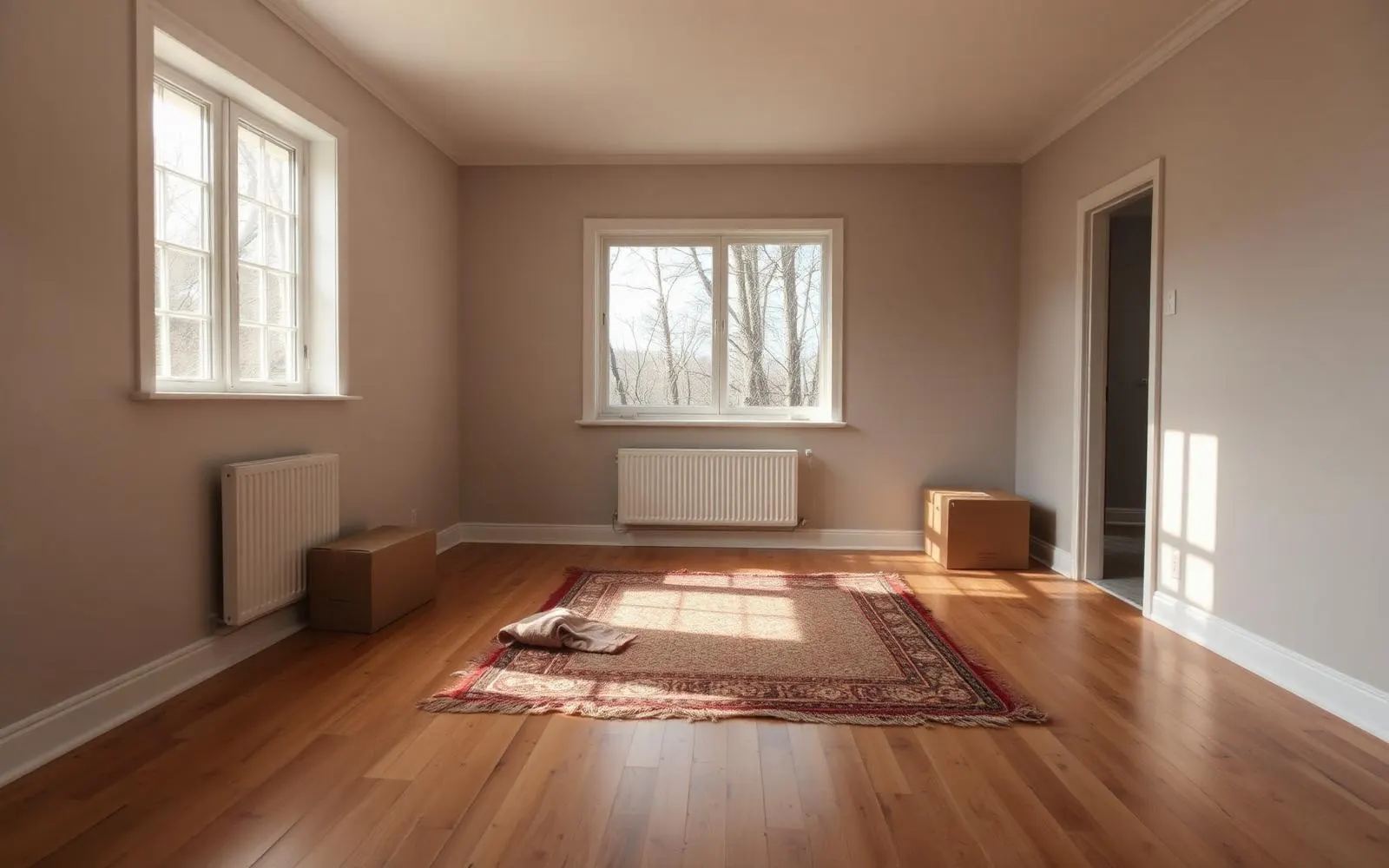
Everyone expects more room. The square footage and the yard are the reason the search started. What people are not prepared for is what the extra room asks of them. A house twice the size holds twice as much to clean, heat, furnish and maintain, and a yard that looked idyllic in April becomes a weekly obligation by June.
The households that settle happily tend to be the ones that resisted buying at the very top of what they qualified for and kept the difference for the parts nobody photographs: a mower, a plow service, gutters, a tree removal, a water heater in the second winter.
Pace is real, and it takes a while to trust
Service moves at a different tempo here. Contractors call back, but not on Tuesday. A conversation at the counter takes four minutes instead of ninety seconds. Newcomers from dense cities often read this as inefficiency for the first several months, and then somewhere around month eight stop noticing it, and then eventually find the reverse unbearable when they visit their old neighborhood.
The commute is the thing most often miscalculated
On a map, distances here look trivial. On the ground, two lane roads, farm equipment, school buses and the routes through the county's boroughs make travel times less predictable than the mileage suggests. A trip that takes twenty two minutes at ten in the morning can take forty at half past four.
Anyone commuting toward Philadelphia, Harrisburg, Reading or the Route 30 corridor should drive the actual route at the actual hour before signing anything. This is the single most useful hour a relocating buyer can spend, and it is skipped constantly.
Community works differently than expected
People arriving from a city often expect friendliness to mean immediate closeness. What they find instead is a place that is genuinely warm at the surface and slower at depth. Neighbors help without being asked. Invitations to the inner circle take longer, because a great many people here grew up with the same fifty families.
You do not join a community here by attending things. You join it by attending the same thing repeatedly.
The mechanism that works is repetition: the same library story hour, the same volunteer shift, the same coffee shop on Saturday, the same seat at the youth game. Six months of showing up produces more belonging than a year of trying out different activities.
The misunderstandings that come with people
- That the county is uniform. Lancaster city, the older boroughs, the townships and the far edges are meaningfully different places with different housing, taxes and daily rhythms.
- That the Plain communities are a tourist attraction rather than working neighbors with businesses, road traffic and their own institutions.
- That an older house will be cheap to run. Charm and efficiency are separate line items.
- That everything closes on Sunday. Some things do, and planning around it becomes second nature quickly.
What people say they miss, and what they do not
The honest losses are usually specific: a particular restaurant, walking to a train, the density of choice on a Friday night, and the ability to be anonymous. Anonymity in particular surprises people. In a smaller place you are recognized, which is a comfort and a constraint at the same time.
What almost nobody misses is the commute they had before, the cost of parking, and the low grade friction of doing anything at all. There is a version of relief that shows up around the third or fourth month, often on an ordinary evening, when the household realizes it has been outside for two hours and no one had anywhere to be.
A first year that goes well
It usually looks like this. Rent or buy modestly rather than at the ceiling. Learn one town thoroughly instead of sampling six. Find the ordinary institutions early: the library, the market, the hardware store, the practice, the mechanic. Say yes to the first three invitations even when tired. Get through one winter before rendering a verdict, because February is the honest month here, and a place you still like in February is a place you have actually chosen.
What to take from this
- Budget for the maintenance a bigger house and lot demand, not just the purchase.
- Drive the real commute at the real hour before committing to a town.
- Belonging comes from repetition, not from variety of activities.
- Reserve judgment until you have lived through one Pennsylvania February.
Where to go next
The Journal is written for people thinking about homes, not just financing them. Articles are educational and reflect general observation about Pennsylvania housing, architecture, and daily life. Nothing here is an offer to lend, a commitment to a rate, or an appraisal of any particular property. Corie Adams, NMLS #1875205. Network Funding, LP, NMLS #2297. Equal Housing Opportunity.