“A market house is the rare public building where nobody has to explain why they came.”
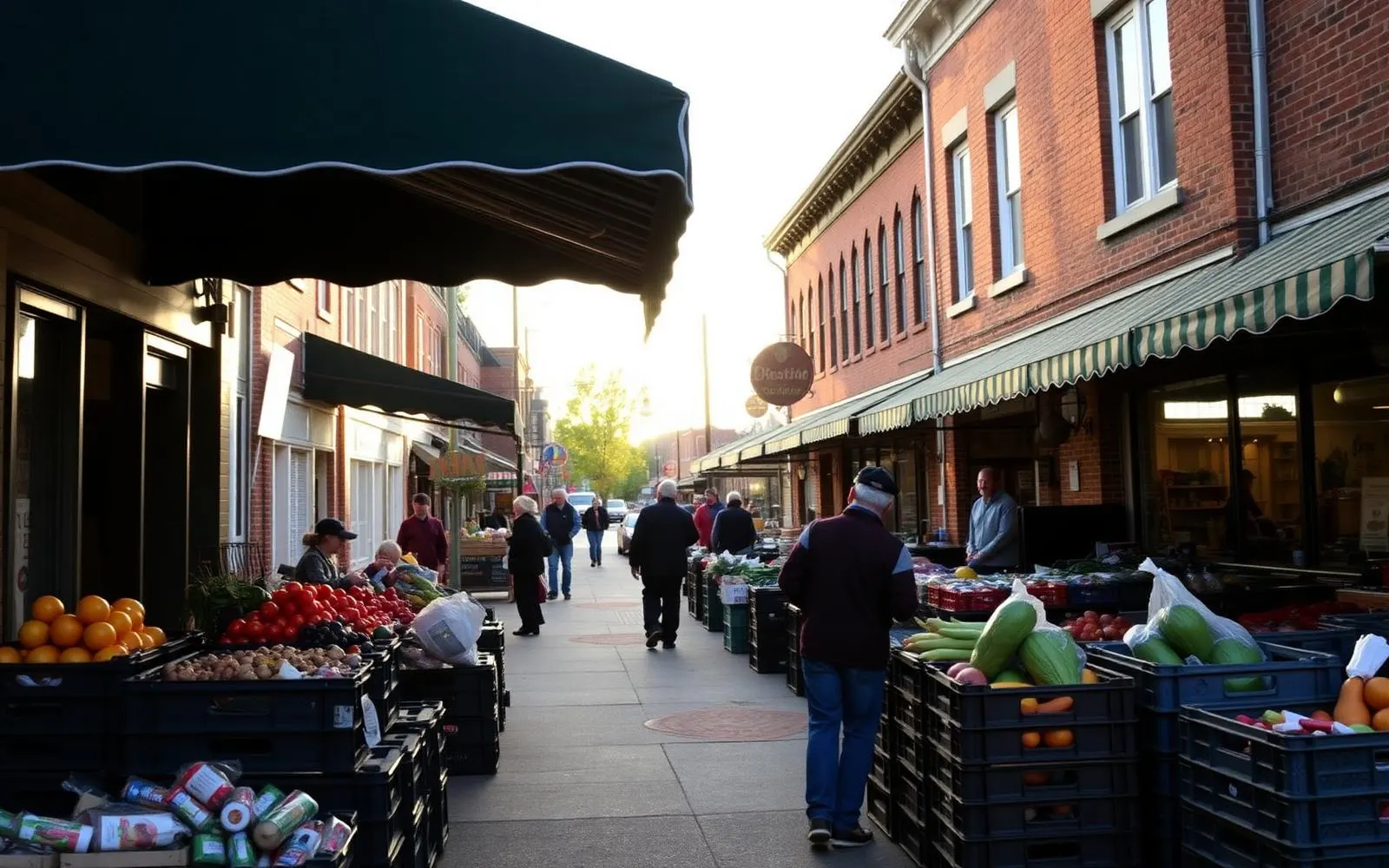
In most American cities the nineteenth century market house is a memory, replaced by a parking structure or a civic plaza. Central Pennsylvania is one of the places where a number of them are still standing and still functioning as markets, which makes this region unusual and, if you live here, easy to take for granted.
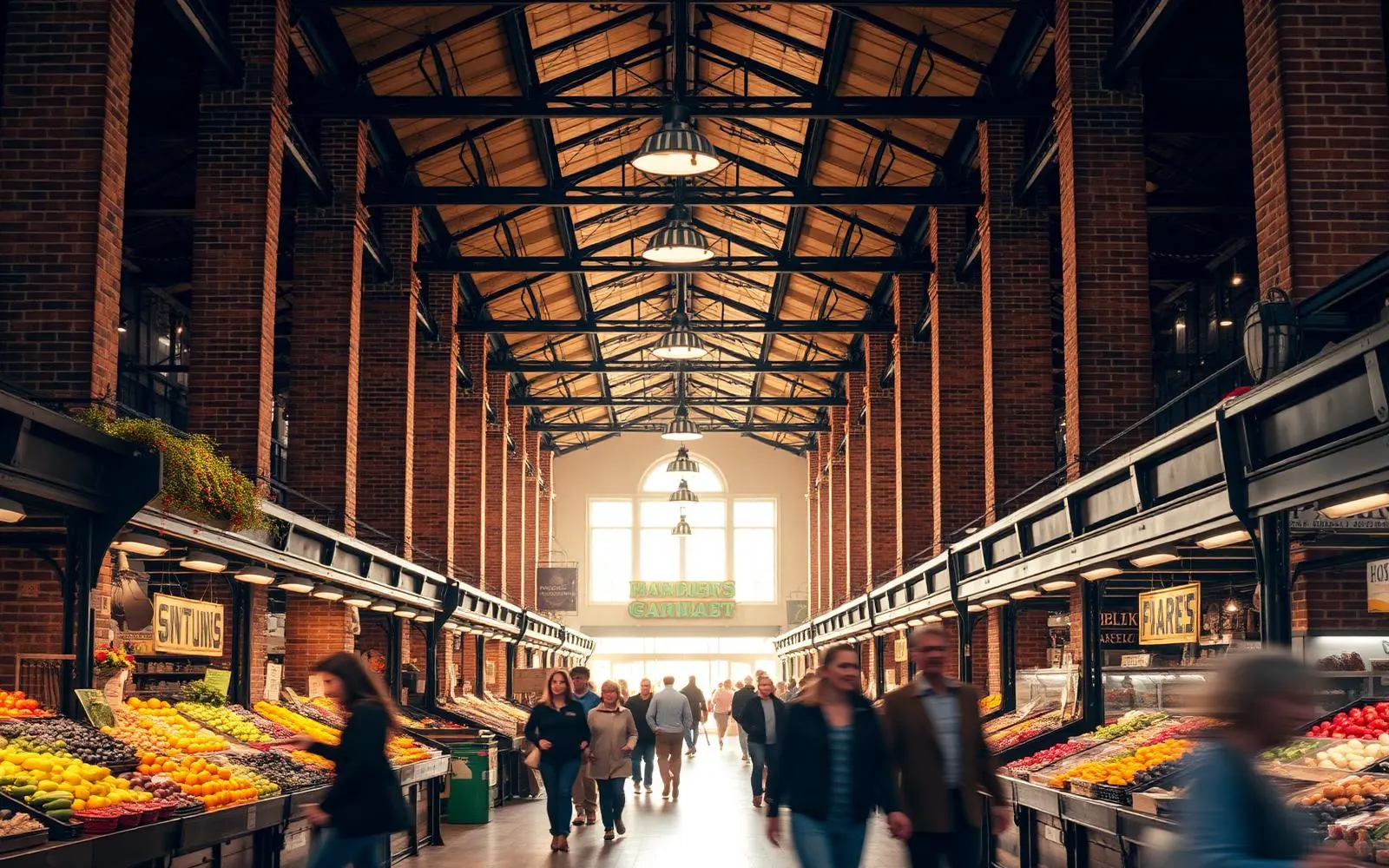
Lancaster's Central Market operates from a distinctive brick market house on Penn Square that dates to the late 1880s, on a market tradition in the city that reaches back much further. In Harrisburg, the Broad Street Market in Midtown has occupied its brick market building since 1860 and is among the oldest continuously operating market houses in the country. Both buildings are still doing the thing they were designed for.
What the building is for
A market house was originally a piece of municipal infrastructure, no different in intent from a water system. A town needed a place where farmers from the surrounding countryside could sell to residents under a roof, on a schedule, with some public oversight of weights and cleanliness. The architecture followed the function: a long clear span, high ceilings for air, big doors, and hard surfaces that could be washed.
That design has an accidental social consequence. A single volume with many small vendors forces circulation. You cannot get to the far end without passing everyone, and you cannot pass everyone without seeing people you know. A modern grocery store is engineered to prevent exactly this.
The mix is the point
The stalls in a working market house are not uniform. A produce grower, a butcher, a baker, someone selling flowers, someone selling prepared food from a cuisine that arrived in the town within the last generation, and a stand that has been in the same family for decades. Rents at stall scale are low enough that a new business can start without a storefront, which makes the market a durable incubator.
That mix is also why the crowd is more varied than in almost any other commercial space in a city. Everyone eats. A market has no price of admission and no implied dress code, and the result is a room where residents who otherwise share no institutions stand in the same lines.
The other holders of a town
The market is the most visible example of a category. Pennsylvania towns are unusually well supplied with institutions of this kind, and their common feature is that they belong to no one in particular.
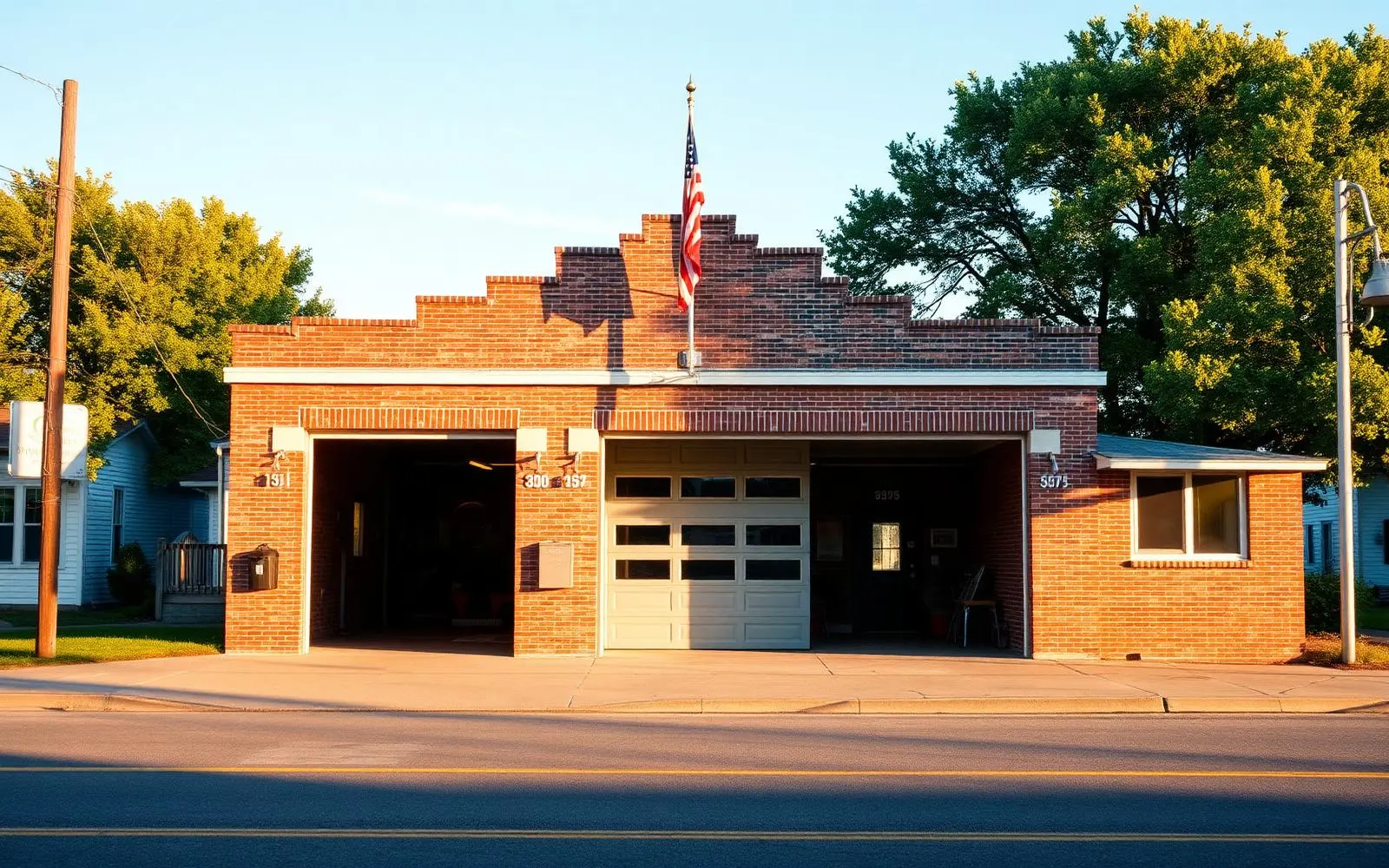
- Volunteer fire companies, which in much of this region provide emergency response and also function as social halls, fundraising kitchens and the reason many residents first meet their neighbors.
- Public libraries, which have quietly become the only indoor public space in many boroughs where a person can spend an afternoon without spending money.
- Historical societies and preservation trusts, which hold the documents and often the buildings that give a place continuity.
- Agricultural fairs and long standing community festivals, which put the countryside and the town in the same field for a week.
These places are cheap to lose and nearly impossible to rebuild, because what they hold is not the building but the habit.
Why it matters when choosing where to live
Buyers evaluate towns by schools, taxes and commute, all of which are measurable. The presence of functioning shared institutions is harder to score and arguably more predictive of whether a household will feel at home in three years.
There is a simple field test. Go to the market, the library or the fire company carnival on an ordinary day and look at who is there. If the room contains a wide range of ages and the staff or vendors greet people by name, the town has a working center. If the room is thin, the center may have moved to a highway strip, and the walkable historic district is scenery rather than infrastructure.
How they survive
None of these institutions is guaranteed. Market houses need vendors who can make a living, roofs that get repaired, and enough weekday customers to sustain the stands between weekends. Fire companies need volunteers, and recruitment is a widely discussed challenge across the Commonwealth. Libraries need funding decisions made by people who use them.
The mechanism of survival is unglamorous and entirely within reach of a new resident: show up on a Wednesday, not only on a Saturday. Buy the vegetables. Get the library card in the first month. These places are held open by ordinary attendance, which is the cheapest civic contribution available and the one most easily forgotten.
What to take from this
- Market houses were built as infrastructure, and their layout still forces people to encounter one another.
- Low stall rents make markets durable incubators for small food businesses.
- Volunteer fire companies, libraries and historical societies do similar civic work.
- Judge a town by who is in its shared rooms on an ordinary weekday.
Where to go next
The Journal is written for people thinking about homes, not just financing them. Articles are educational and reflect general observation about Pennsylvania housing, architecture, and daily life. Nothing here is an offer to lend, a commitment to a rate, or an appraisal of any particular property. Corie Adams, NMLS #1875205. Network Funding, LP, NMLS #2297. Equal Housing Opportunity.