“Every expensive winter repair I hear about was a fifteen minute job in October.”
Pennsylvania winters are not extreme. They are repetitive, which is worse for a building. Water gets in, freezes, expands, thaws and does it again forty times between December and March. Each cycle makes the gap a little bigger. That is the mechanism behind nearly every winter failure in an older house, and almost all of it is preventable in a weekend.
The window is roughly the second half of October, after most leaves are down and before the first hard freeze. Here is the list I would work through.
Water first
- Clean the gutters and check that downspouts discharge at least four feet from the foundation. This one item prevents more basement water than anything else.
- Walk the perimeter and look for grade sloping toward the house. Add soil where it does. Water follows gravity, not intentions.
- Shut off and drain exterior spigots. A frozen hose bib splits inside the wall and you find out in April.
- Check the sump pump by pouring a bucket into the pit. Do it now, not during the first thaw.
Air second
- Hold a lit candle near window and door edges on a windy day. Where it moves, weatherstrip or caulk.
- Check the basement rim joist, the band of framing at the top of the foundation wall. In many older houses it is the single biggest air leak in the building.
- Reverse ceiling fans to push warm air down, which is free and takes a minute.
Heat third
Have the heating system serviced in October rather than December. The service call is easier to book, cheaper, and takes place before the failure rather than after it. Change the filter, and if the house has a chimney in use, have it inspected on the same principle.
Test every smoke and carbon monoxide detector on the same day. Heating season is exactly when carbon monoxide matters, and the batteries are always older than you think.
Book the furnace service the week the leaves come down. Everything is easier before it is urgent.
The part that is about money
New owners often plan for the mortgage payment and treat maintenance as something that happens occasionally. It is more useful to treat it as a monthly cost that averages out. A common planning figure is one to two percent of the home's value each year, held in an account you do not touch.
Some years you spend almost none of it. Then a water heater goes at eleven at night in January, and you have the number rather than the problem. That is the difference between an inconvenience and a crisis, and it is worth setting up in the first month of ownership rather than after the first failure.
The reward
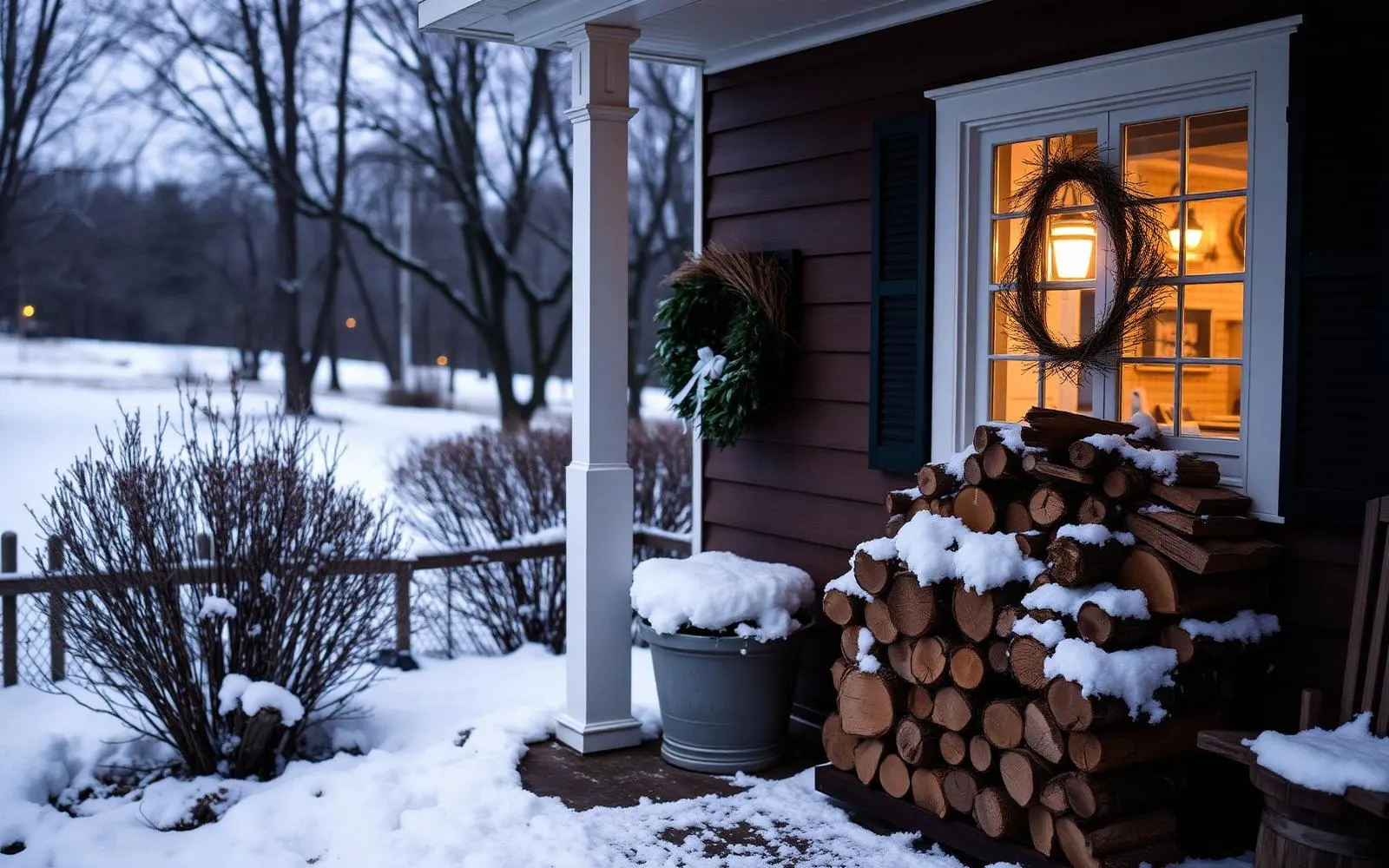
The reward for the October list is that you get to enjoy the good part of a Pennsylvania winter. The house is quiet. The light is low and gold by four. Nothing is dripping anywhere and you know it, because you checked.
What to take from this
- Handle gutters, grading, spigots and the sump pump before the first freeze.
- Seal air leaks, paying particular attention to the basement rim joist.
- Service heating and test detectors in October rather than December.
- Keep a monthly maintenance reserve of roughly one to two percent of home value each year.
The Journal is written for people thinking about homes, not just financing them. Articles are educational and reflect general observation about Pennsylvania housing, architecture, and daily life. Nothing here is an offer to lend, a commitment to a rate, or an appraisal of any particular property. Corie Adams, NMLS #1875205. Network Funding, LP, NMLS #2297. Equal Housing Opportunity.