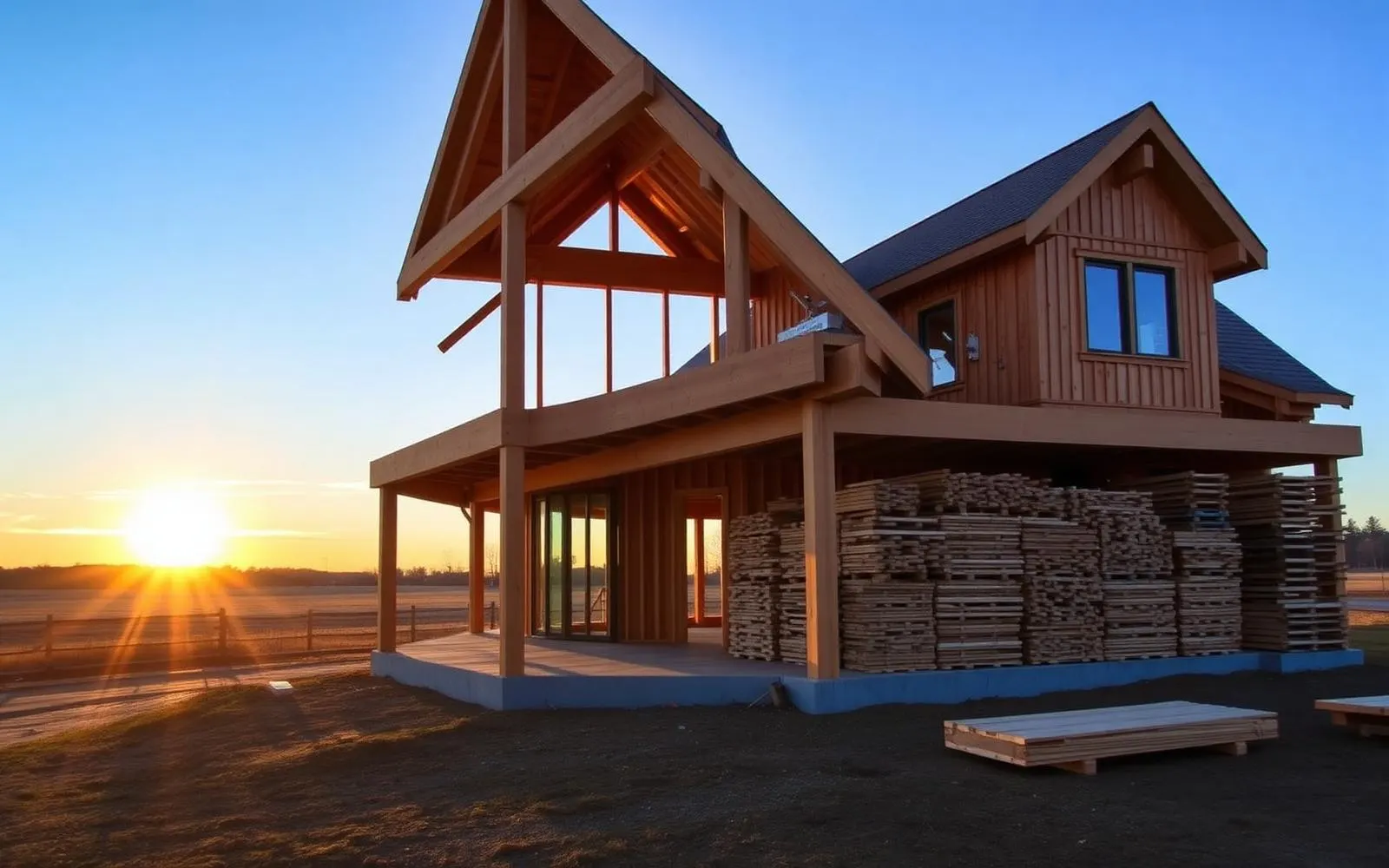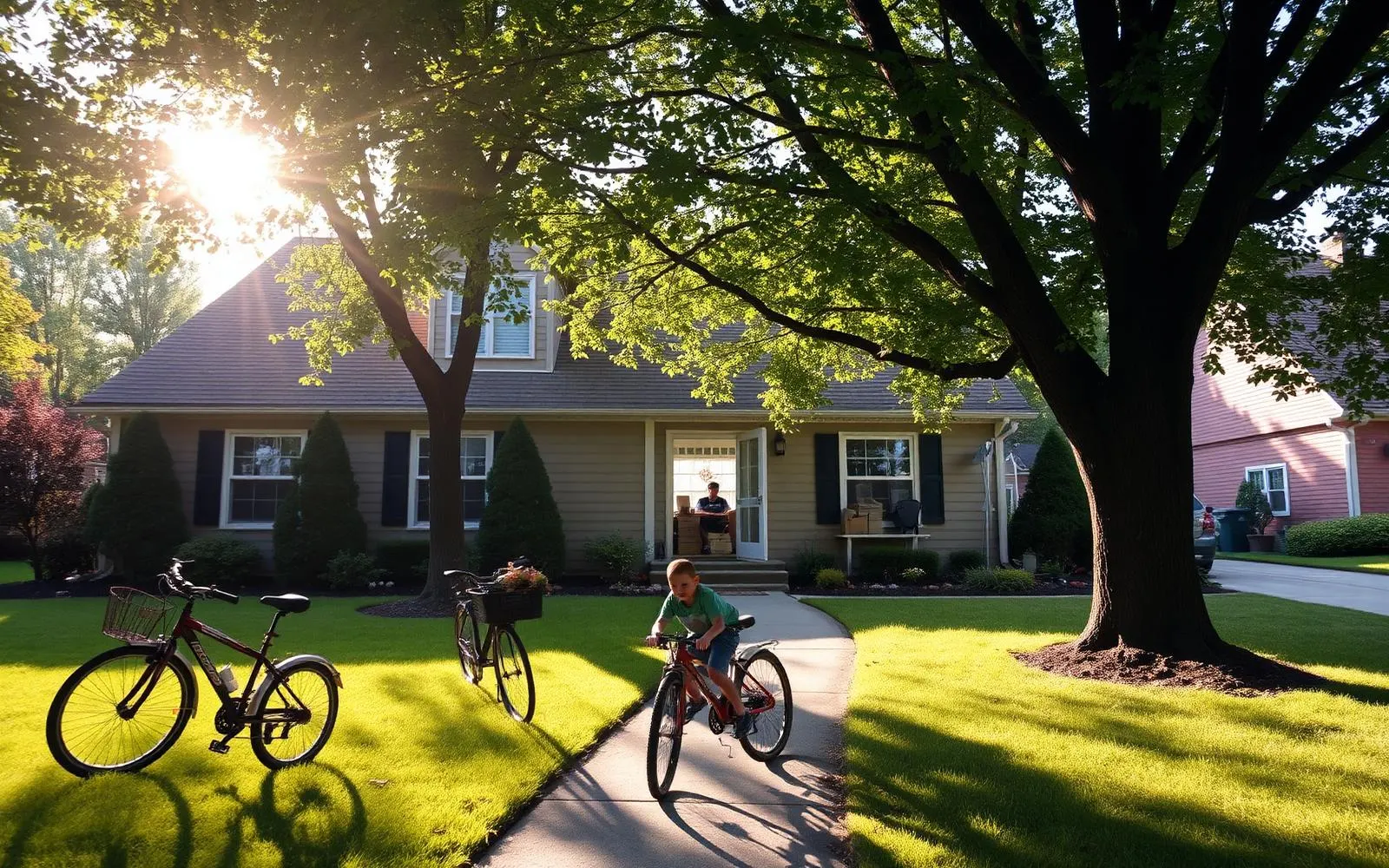
“Nobody was short of money. They were short of order.”
One
The situation
A household of four in a house that had been the right size for two. Substantial equity in the current home, good credit, dual income, and a third child arriving in the spring.
Everything they needed for the next house was in the current one, which is the ordinary and infuriating shape of moving up.
Two
The challenge
An offer contingent on selling their existing home was weaker than the competing offers in the neighborhoods they wanted.
Selling first meant either a rental in between, with two moves and a storage unit, or a leaseback arrangement the buyer might not accept.
The nursery had a deadline that could not be renegotiated.
Three
The education
Contingent offers are not equally weak everywhere. In some situations a listing agent cares far more about certainty of closing than about the contingency itself, which is a matter of how the approval is presented.
There are several ways to bridge the gap between two transactions, and they have real differences in cost and risk. Some are financing products. Some are contract terms, which cost nothing.
Sequencing is a negotiation tool. A seller who needs time is often glad to accept a buyer who can give it, and that flexibility can be worth more than a higher price.
The strongest move up files are the ones where the lending side has looked at both transactions together rather than one at a time.
Four
The financing strategy
Treat the sale and the purchase as one plan with a single calendar, then use timing concessions instead of paying for a financing bridge.
- Underwrite the purchase earlyThe new loan was reviewed in advance so the only open item was the sale, which made the contingency narrow and specific instead of vague.
- Negotiate the closing dates, not just the pricesTheir sale was written with a short post settlement occupancy, and their purchase was written to close eleven days later. One move, no storage.
- Present the file to the listing sideThe strength of the approval was communicated directly, which is how a contingent offer competes with a non contingent one.
- Keep a fallback that was actually pricedA bridge option was quoted and held in reserve, so if the sale slipped they had a known cost rather than a panic.
Five
The outcome
Both transactions closed as scheduled, eleven days apart, with one moving truck and a short stay in the old house after settlement.
The bridge financing was never used, which was the point of having it priced. Knowing the fallback cost made the whole plan calm.
The nursery was finished with three weeks to spare, which they consider the actual headline.
Six
What a future buyer can take from this
- Sell and buy are one plan with one calendar, not two separate transactions.
- Timing concessions are free and frequently more persuasive than price.
- A well presented approval narrows a contingency until it stops being frightening to a seller.
- Price the fallback even if you never use it. That is what makes the primary plan sustainable.
Where to go next
Get Pre-Approved (opens in a new tab)These are case studies, not testimonials. Each one is a composite drawn from situations that recur across Pennsylvania, with identifying details removed and figures rounded for illustration. Nothing here is an offer to lend, a rate quote, or a guarantee of terms. Your own approval, program eligibility, and costs depend on your credit, income, assets, and the property.