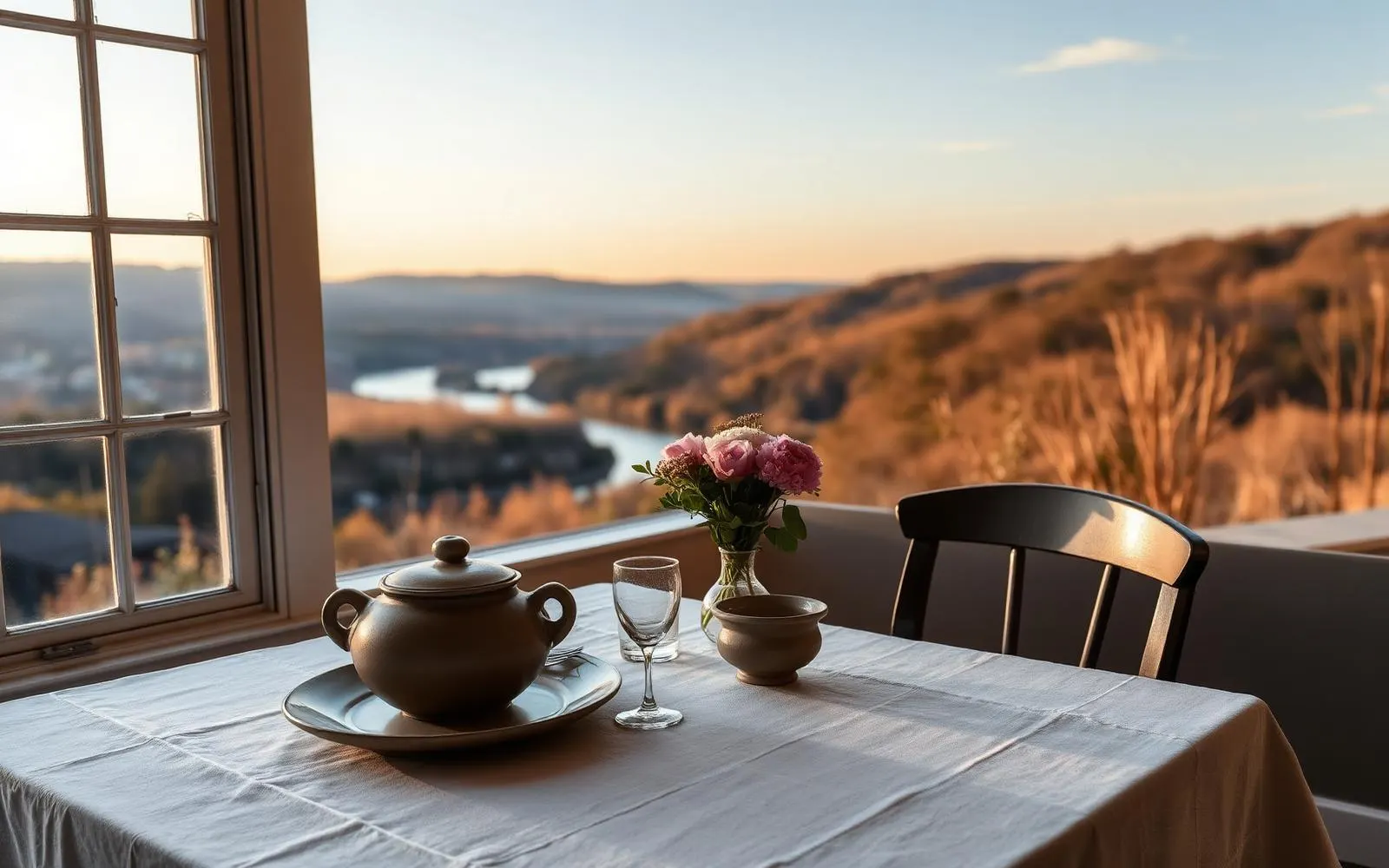
“A house you can heat, clean and afford in February is a different kind of freedom than a house that impresses people in June.”
Houses are usually chosen in spring and summer, when the yard looks generous, the light is long and the rooms feel airy. They are lived in during February, when there are four hours of usable daylight, the heating bill arrives, and everyone is inside at the same time.
That mismatch is behind a lot of housing regret, and it is rarely dramatic. Nobody hates their house. They just find, in year three, that they are maintaining a building rather than living in one, and they cannot quite say when that started.
What size actually costs
- Heating and cooling, which scales with volume and envelope, not with how many rooms you use.
- Cleaning, which is time, and taxes, insurance and roof area, which are money.
- Furnishing, because empty rooms exert a steady quiet pressure to be filled.
- Attention. Every additional system, surface and room is something that eventually needs a decision.
None of that is an argument that small is virtuous. Households genuinely differ. Three children and a home business need room, and pretending otherwise is just a different kind of bad advice. The argument is that size should be chosen deliberately, for the life happening in it, rather than accepted as the largest thing the approval allowed.
The February test
When you are considering a house, imagine a Tuesday in February. Where is everyone at seven in the evening? Which rooms have the lights on? Which rooms are cold and closed and used for storage? If the honest answer is that most of the house is dark most of the winter, you are buying square footage you will pay to heat and never sit in.
The counter test is just as important. If the answer is that four people are in one room and two of them need to be somewhere else, that is a house that is too small for this household, and no amount of clever storage fixes it.
The right size is the one where, on the worst evening of the year, everyone has somewhere to be.
What the payment is buying you
There is a version of this decision that gets framed as sacrifice, and I do not think that is right. Choosing a house below the maximum you qualify for is not settling. It is buying something with the difference: retirement contributions, travel, the ability to take a lower paying job you would rather do, or simply not thinking about money in a bad month.
That trade is invisible on a listing sheet and it is the most consequential decision in the whole transaction. Someone should say it out loud during the process, and often nobody does, because it is nobody's job. I consider it part of mine.
The good part of winter
A small house in winter has a specific pleasure to it. One lamp lights a whole room. The heat you paid for is in the room you are in. You can hear the whole house from the kitchen, which is either wonderful or maddening depending on who is in it, and mostly wonderful.
Come February that starts to feel less like a compromise and more like the point.
What to take from this
- Choose house size for a February evening, not a June afternoon.
- Size drives heating, cleaning, taxes, insurance and attention, not just price.
- Too small is a real problem too. The test is whether everyone has somewhere to be.
- What you are approved for and what you want to pay are two different numbers.
Where to go next
The Journal is written for people thinking about homes, not just financing them. Articles are educational and reflect general observation about Pennsylvania housing, architecture, and daily life. Nothing here is an offer to lend, a commitment to a rate, or an appraisal of any particular property. Corie Adams, NMLS #1875205. Network Funding, LP, NMLS #2297. Equal Housing Opportunity.