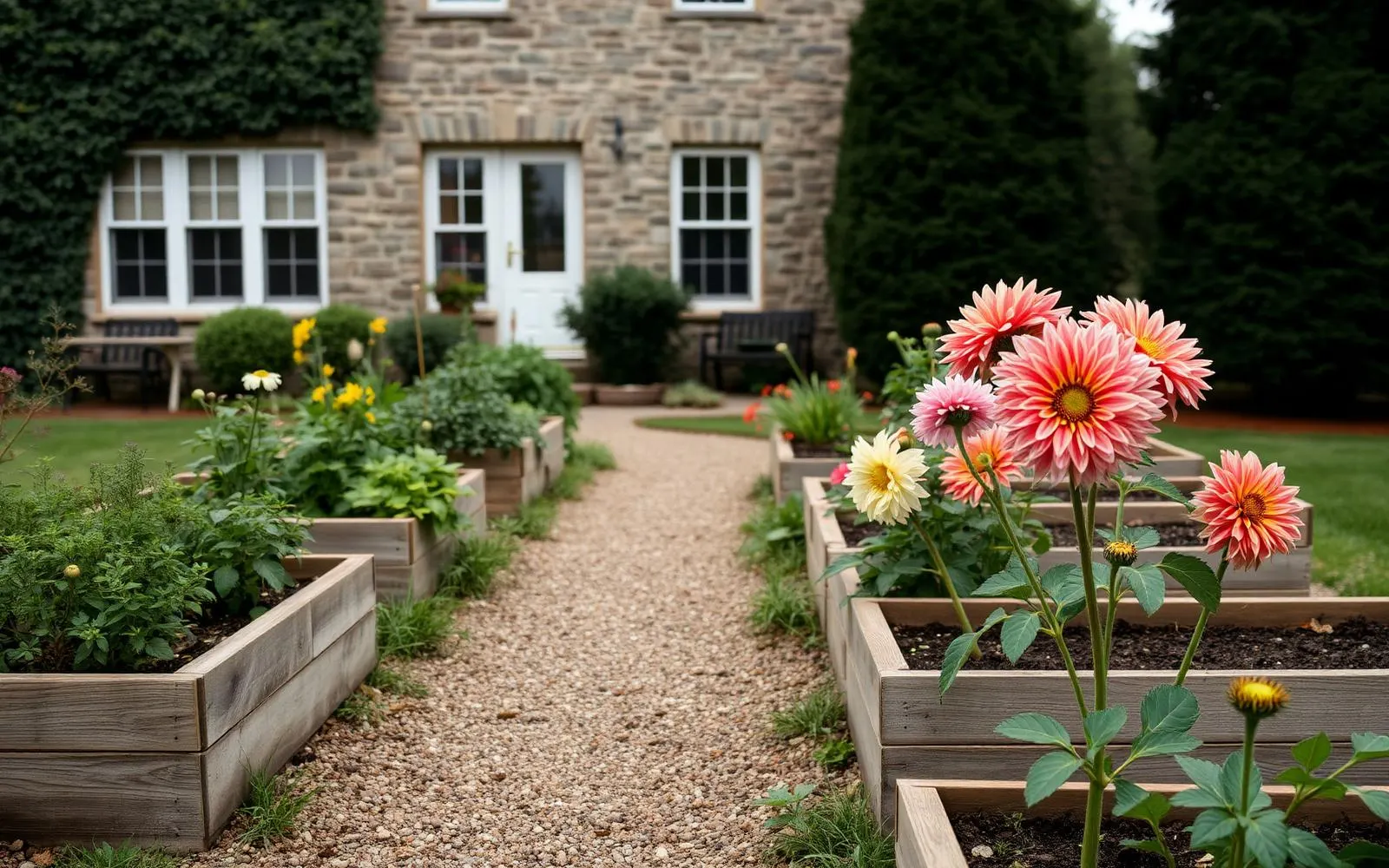
“Every garden that survives is a garden that agreed to terms with the site.”
The lower Susquehanna Valley is a generous place to grow things and a stubborn one. Rain arrives in reasonable quantity across the year, often in heavy summer bursts. Soils in much of the region hold water and compact easily. Mature trees are common and cast more shade each decade. And the deer, in most townships, are not a nuisance but a governing condition.
Gardens here fail for predictable reasons: too much lawn, plants chosen for a photograph rather than a site, and beds placed where water wants to go. Gardens here succeed for equally predictable ones. What follows is the second list.
Read the water first
Before choosing a single plant, walk the property during a hard rain. Notice where water sheets off the roof, where it pools, where it runs, and where the ground stays soft two days later. That map is the most valuable document you will ever have about your yard.
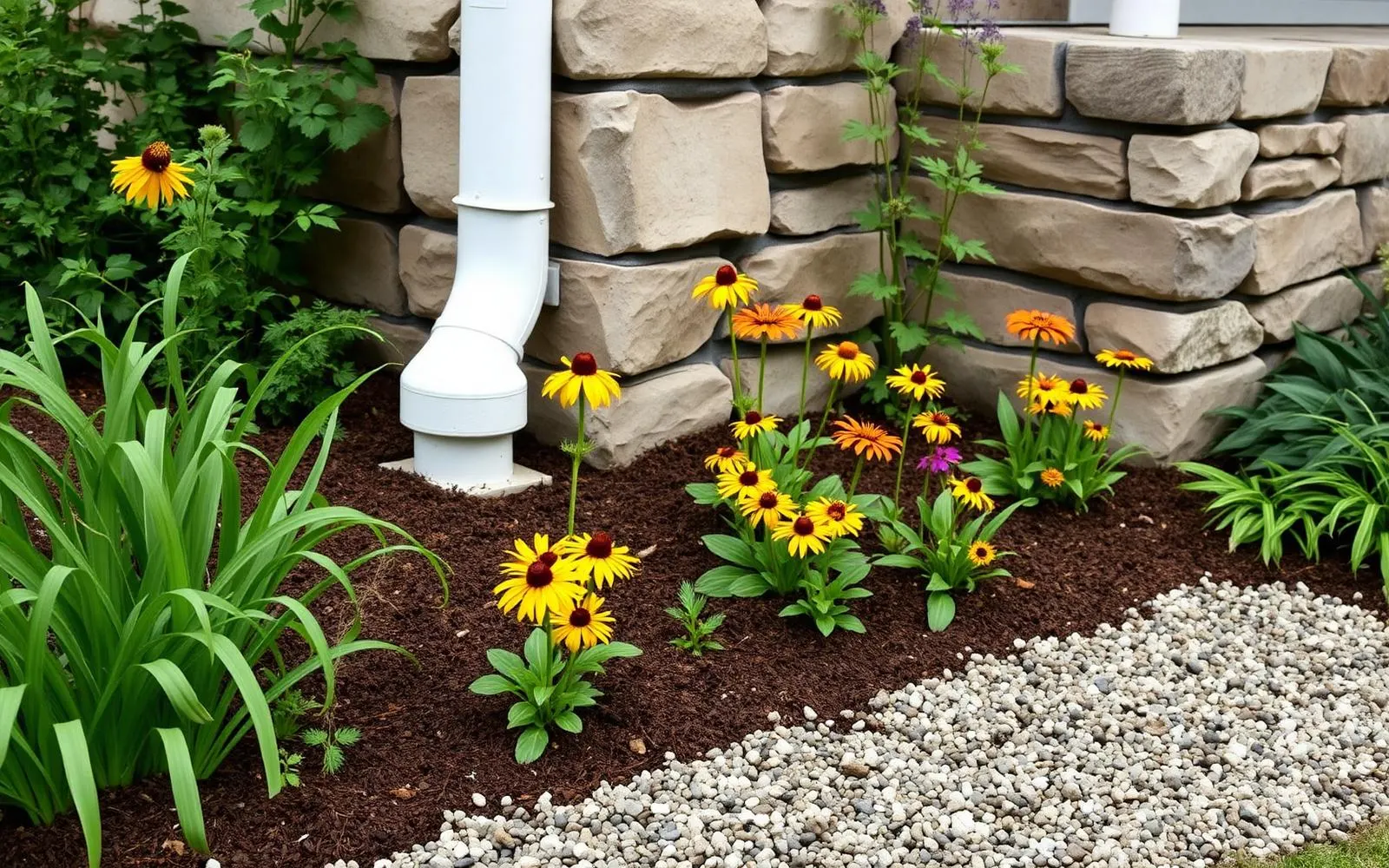
Then work with it. A low spot that stays wet is not a problem to be filled; it is the only place on the property where certain beautiful plants will thrive. Redirecting a downspout into a shallow planted swale a good distance from the foundation solves a drainage complaint and creates a garden feature in the same afternoon.
Give the soil what it is missing
Much of the ground around newer houses is subsoil that was pushed back over the site after construction, compacted by equipment and then covered with a thin layer of topsoil and sod. Nothing grows well in it, and no plant selection will fix it.
The remedy is organic matter and patience: compost worked into new beds, leaves left to break down rather than bagged, and mulch applied thinly rather than piled. Avoid the volcano of mulch around trunks, which holds moisture against bark and shortens the life of the tree it was meant to protect.
Plant for the shade you will have in ten years
Mature oaks, maples and tulip poplars are the great asset of older properties here and the most common cause of failing sun beds. A bed that was full sun when the house was built may now get four hours. Rather than pruning a magnificent tree into a shape that suits a perennial border, it is usually better to move the border and let the shade garden begin.
Shade under native hardwoods is one of the pleasures of this region. Woodland plants that evolved with these trees, ferns, foamflower, wild ginger, native sedges, tolerate root competition in a way that most sun perennials never will.
Natives, used for the reason that matters
The practical case for native plants here is not sentimental. Species that evolved in this region generally handle the swings this climate delivers, a wet spring followed by a dry August, and they support the insects that the birds require. Mountain mint, coneflower, aster, goldenrod, little bluestem, switchgrass, serviceberry, redbud and native viburnums all earn their space.
That does not require purism. A few well behaved non natives that you love are fine. The structure of the garden is what should be regionally sensible.
The deer conversation
Deer pressure varies street by street, but in much of the valley it is heavy enough to determine the garden. There are three honest strategies, and most successful gardens use two of them.
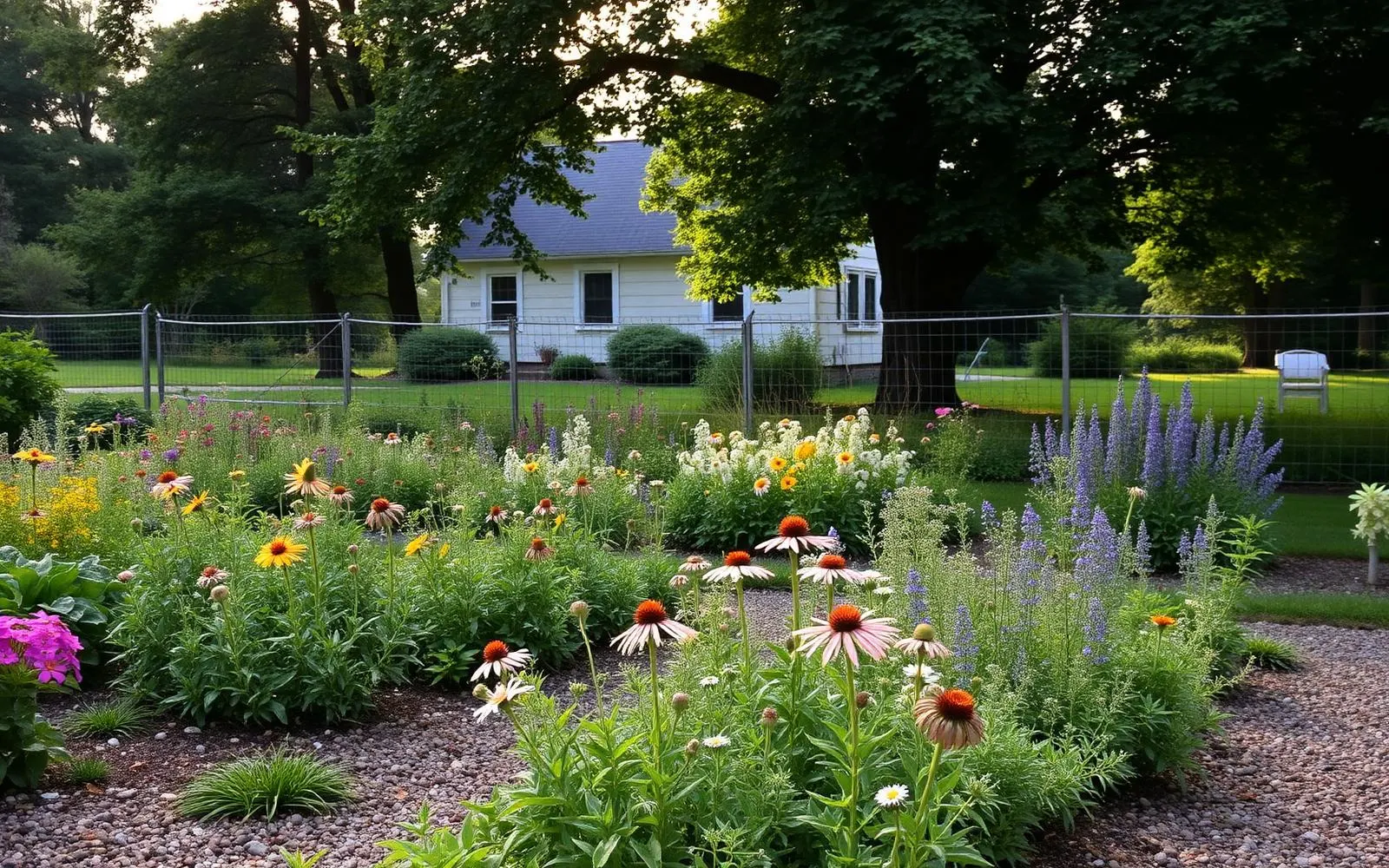
- Fence what matters. A real fence around a vegetable garden or one ornamental area works permanently; scattered repellents do not.
- Plant what they usually pass by: aromatic herbs, ferns, ornamental grasses, boxwood, daffodils, alliums, and many aromatic natives.
- Accept losses in the outer garden and put the fragile, beloved plants close to the house where traffic discourages browsing.
A fenced garden you tend is worth more than an unfenced garden you mourn.
Make room to sit outside
The reason to garden here is the long, soft evening from May through October. That argues for at least one comfortable, level, shaded place to sit that is close enough to the kitchen door to be used casually. Gravel over a compacted base is inexpensive, drains well, and looks better with age than most paving.
Place seating where the view is toward the garden and the low sun is behind or beside you. Then plant something fragrant within a few feet of the chair. That single decision is responsible for more evenings spent outdoors than any amount of hardscape.
A manageable year
March is for cutting back last year's stems, ideally late enough that overwintering insects have emerged. April and May are for planting and for edging beds, which is the cheapest way to make a garden look tended. June is for water in new plantings. August asks very little except tolerance. Late September and October are for dividing, planting trees and shrubs, and putting bulbs in.
Left alone in November, a garden of natives holds seed heads and standing stems through the winter, feeds birds, and looks far better in frost than bare mulch. Which means the most restful month in the calendar is also the one where doing nothing is the correct advice.
What to take from this
- Map where water goes during a hard rain before choosing plants.
- Fix compacted post construction soil with organic matter, not with plant selection.
- Plan beds for the shade the trees will cast in a decade.
- Fence one area properly rather than defending the whole property from deer.
The Journal is written for people thinking about homes, not just financing them. Articles are educational and reflect general observation about Pennsylvania housing, architecture, and daily life. Nothing here is an offer to lend, a commitment to a rate, or an appraisal of any particular property. Corie Adams, NMLS #1875205. Network Funding, LP, NMLS #2297. Equal Housing Opportunity.