“Everything in a mature garden was planted by somebody who knew something you do not know yet.”
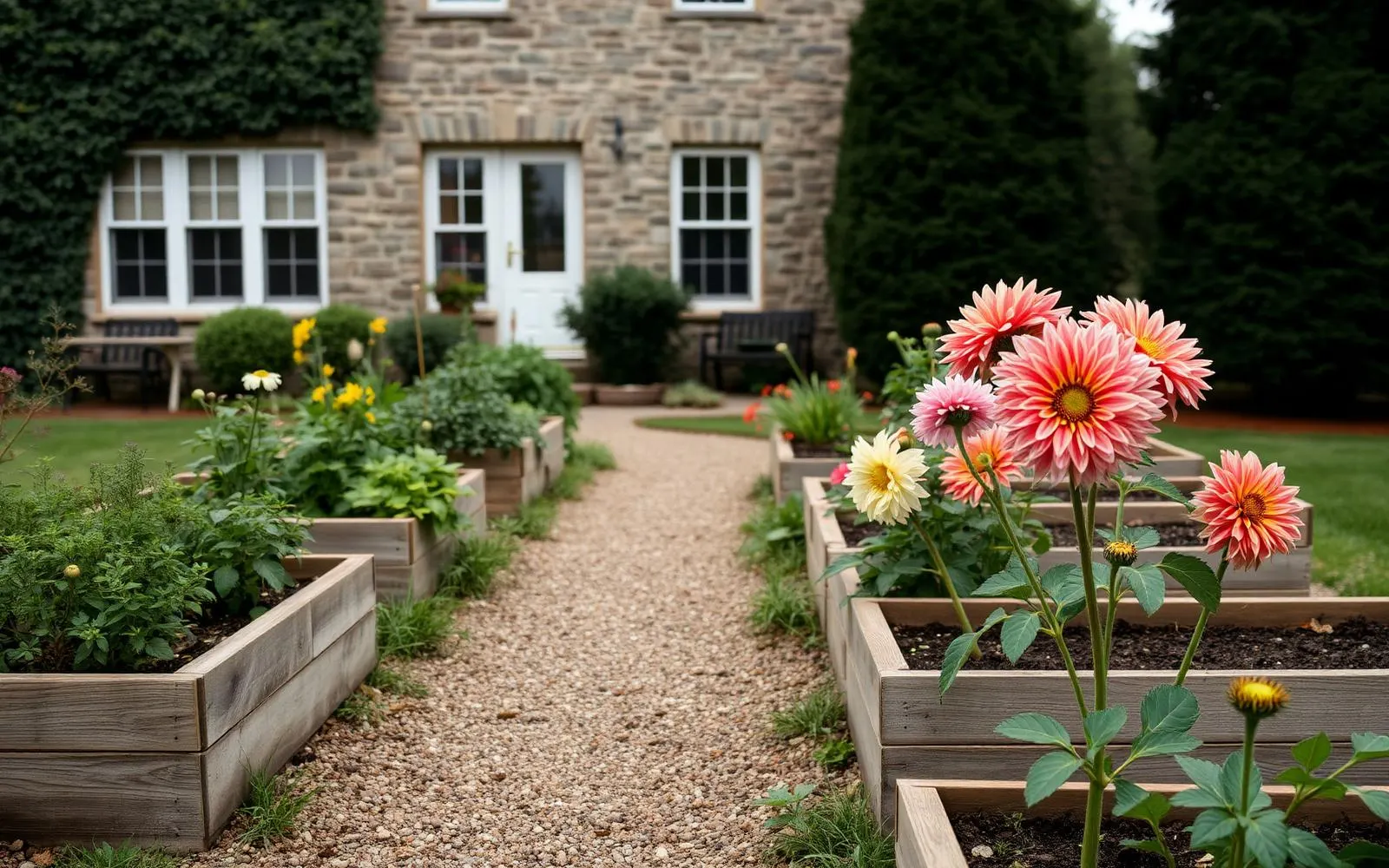
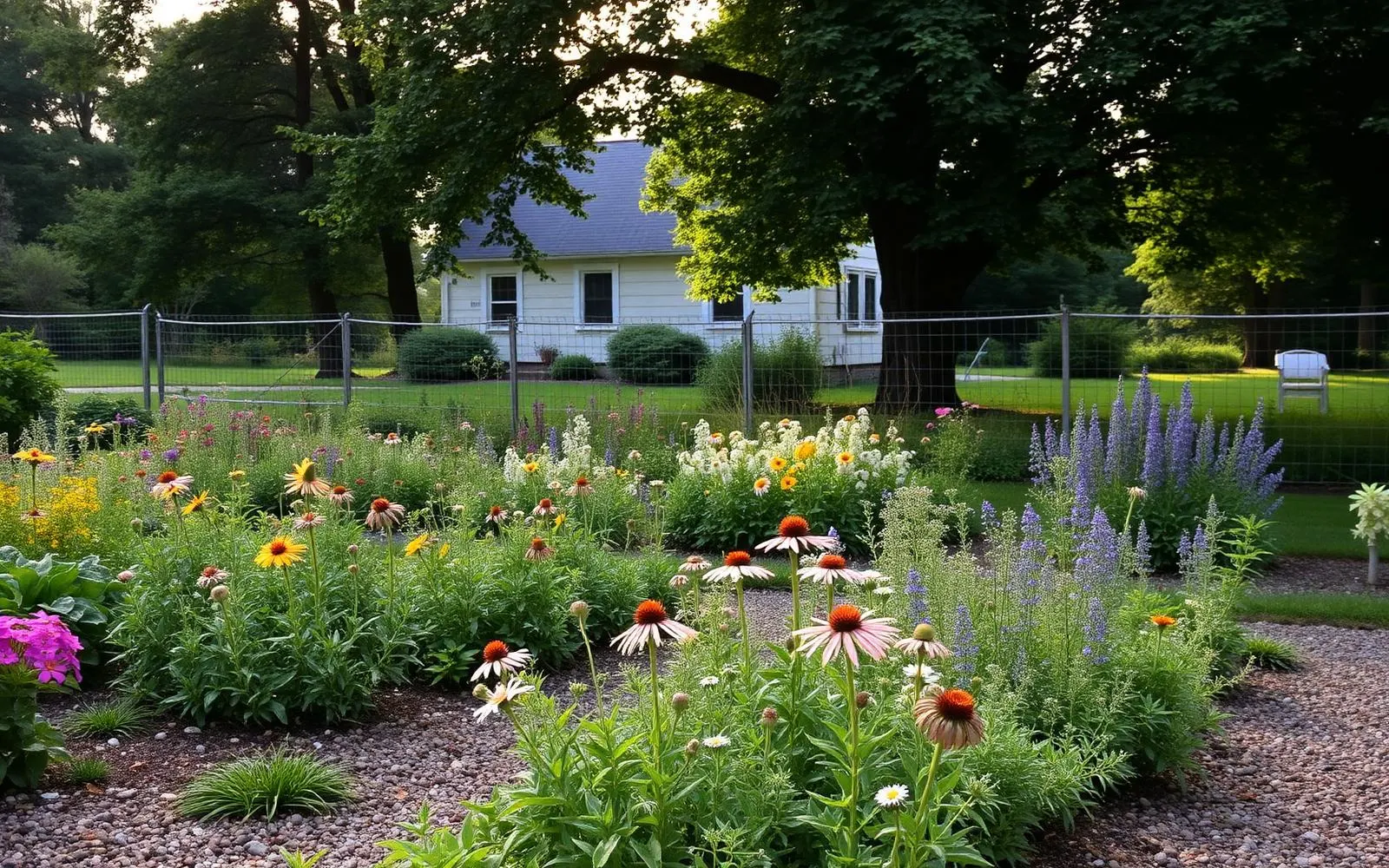
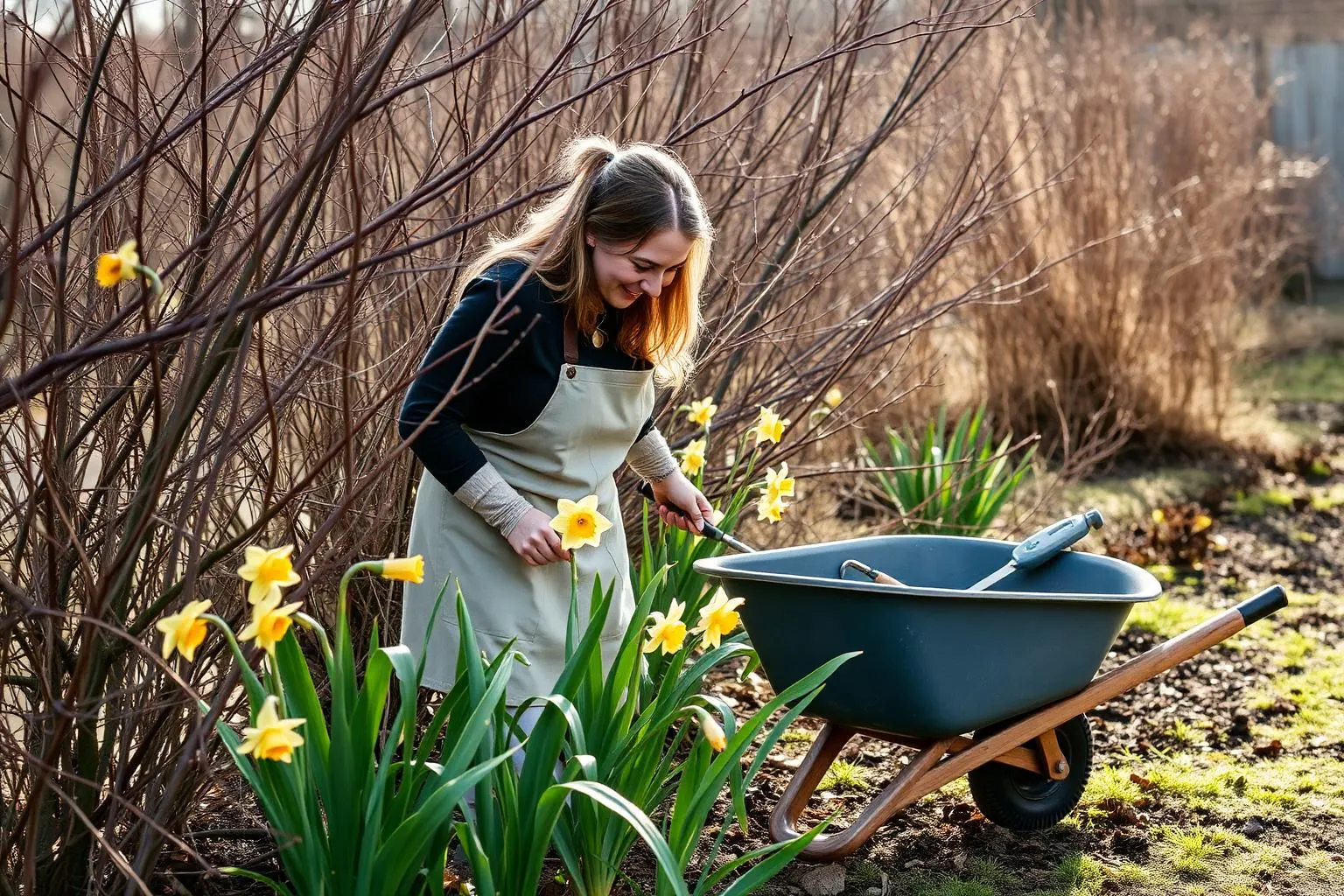
The first spring in an older house is a slow reveal. Things come up that were not visible in October. There is a bulb display along the fence that nobody mentioned, a peony that has clearly been there for decades, and a shrub in a strange place that turns out to be exactly where the afternoon sun stops.
Which is the case for the year of waiting. A garden in Pennsylvania shows you a quarter of itself at a time. Clear it in November and you will remove things you would have kept in May, and you will not find out for eleven months.
What to do in the waiting year
- Photograph the yard once a month from the same two spots. It is the cheapest garden survey there is.
- Track where water goes after heavy rain. That tells you more about what will grow than any soil test.
- Note where the shade is at nine, one and five. Most planting mistakes are light mistakes.
- Cut paths, mow edges and keep things tidy. Maintenance is allowed. Removal can wait.
There is one exception worth acting on immediately. Anything actively damaging the house, a shrub against siding, a limb over the roof, a vine into the mortar, comes off now. That is building maintenance rather than gardening.
Reading an old planting
Older Pennsylvania gardens tend to have logic in them that is not decorative. A row of lilacs along a western boundary was shade and wind. A grape or a big old apple near the kitchen door was food. Foundation planting was often set well back from stone walls because whoever planted it understood what moisture against masonry does.
When something seems oddly placed, ask what problem it might have solved. Sometimes there is no answer and it was just a gift from a neighbor in 1987. But often there is, and finding it saves you from solving the same problem worse.
Before removing something, ask what it was protecting.
The first thing worth adding
If you want to add something in year one, add a place to sit that looks back at the house. Not a patio project. A chair and a small table, moved around until it is obviously right. That spot will tell you what the garden needs better than any plan, because you will actually be out there noticing.
The second thing is water access. A hose that reaches everything, or a rain barrel under a downspout, changes what is possible. Plenty of ambitious planting dies in a dry August because the watering was a twenty minute chore instead of a two minute one.
What it is worth
Mature planting is one of the few things about a property that money genuinely cannot accelerate. You can buy a new kitchen in eight weeks. You cannot buy a forty year old tree, and a young one planted today will be meaningful to whoever lives there in 2050.
That is a reasonable way to think about the whole first year in an old house, actually. You are not the first person here and you will not be the last. Some of the decisions were made for you, and a surprising number of them were good ones.
What to take from this
- Wait a full year before removing anything from an inherited garden.
- Photograph monthly, track water and note where shade falls.
- Remove only what is actively damaging the house.
- Add a place to sit and easy water access before adding plants.
Where to go next
The Journal is written for people thinking about homes, not just financing them. Articles are educational and reflect general observation about Pennsylvania housing, architecture, and daily life. Nothing here is an offer to lend, a commitment to a rate, or an appraisal of any particular property. Corie Adams, NMLS #1875205. Network Funding, LP, NMLS #2297. Equal Housing Opportunity.