“Framing is the week the drawings stop being an argument and start being a fact.”
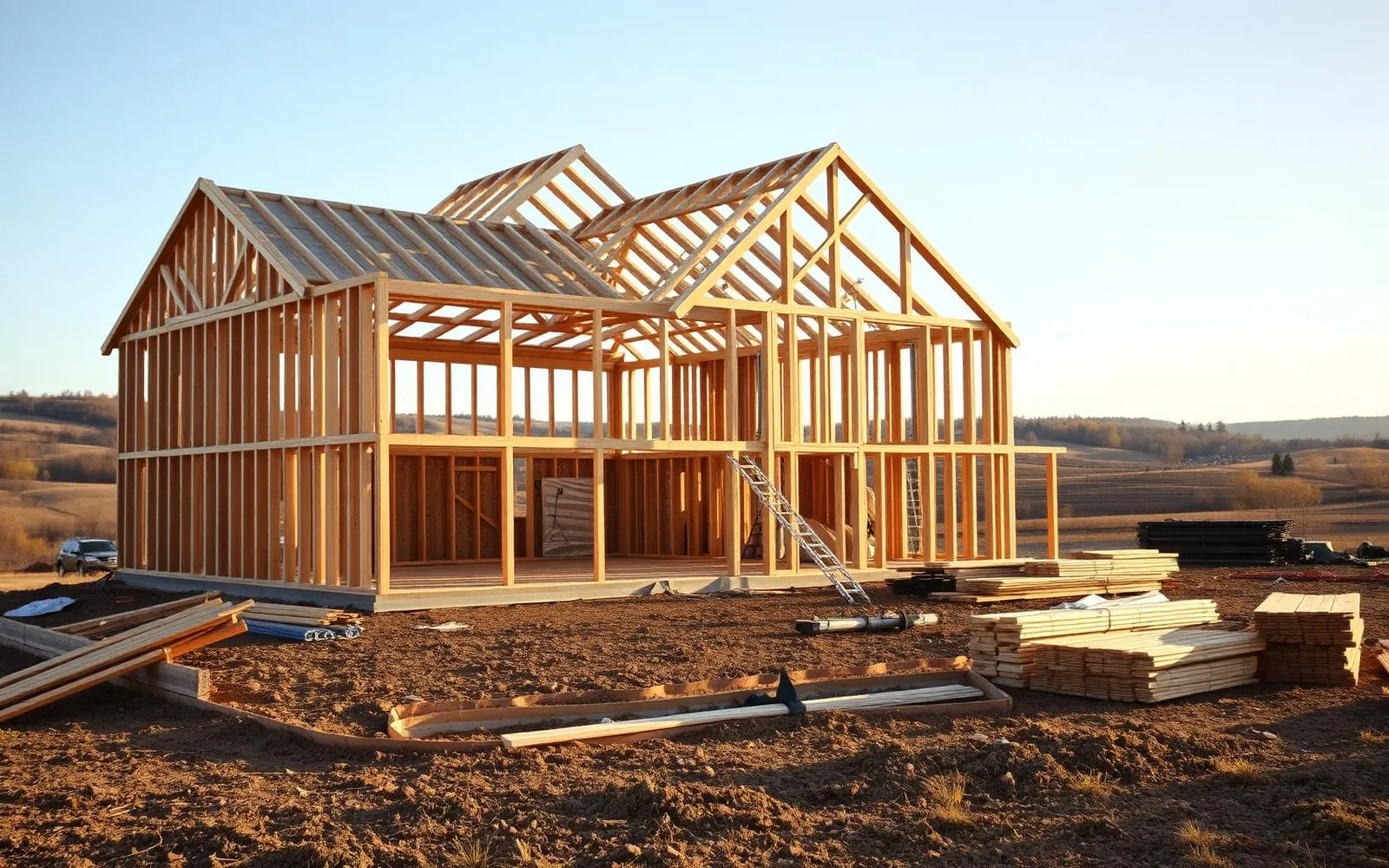
You visit on a Monday and there is a deck. You visit on a Friday and there is a house, roughly, with rooms you can stand in and windows that are still just holes. Nothing else in the process moves that fast. People who have been polite and patient about their build for four months suddenly start showing up every evening, which is entirely reasonable.
It is also the week when the gap between imagining a room and standing in it closes hard. Almost everyone has the same reaction at some point during framing week: this room is smaller than I thought. That reaction is famous, it is nearly universal, and it is usually wrong.
Why rooms look small in the frame
A framed room has no floor finish, no trim, no ceiling and no drywall. You are seeing studs, which read as thin lines rather than surfaces, so the brain fails to register enclosure. There is also nothing to give scale. Furniture, doors and baseboard are the things that tell your eye how big something is, and none of them are there yet.
The reliable fix is a tape measure and a chair. Measure the room, then measure a room you already live in that feels correct. Bring a folding chair and sit down for two minutes. Sitting changes the perception of a space more than any amount of standing in the middle of it looking worried.
Nearly everyone thinks the rooms are too small during framing. Almost nobody thinks so after drywall.
What is worth changing now, and what is not
- Worth raising now: window placement that is clearly wrong for the view or the furniture, and outlet or switch locations, which are cheap to move before electrical rough in.
- Worth raising now: anything you notice that does not match the plan. Verify rather than assume.
- Rarely worth it: moving a wall because a room feels tight in the frame. Wait until drywall unless a measurement proves a real problem.
- Expensive and late: changes to structural openings, roof lines or stair geometry. These ripple through everything after them.
The cost conversation nobody wants
Change orders during framing are not just the cost of the labor and material. They are the cost of the schedule. A framing crew is booked, the mechanical trades are booked behind them, and inspections are scheduled around all of it. Pulling one thread moves several weeks.
On a construction loan, schedule is money in a direct way, because the project is drawing interest while it is unfinished and the loan has a term. This is worth understanding before framing rather than during it, so a decision about a window is made with the full picture rather than in a hurry on a Thursday afternoon.
How to visit well
Go at the end of the day rather than the middle of it. Wear real shoes. Take photographs of every wall before insulation and drywall, which is genuinely useful five years later when you need to know where a pipe runs. Write questions down and send them once, rather than asking three people three times.
Builders are not annoyed by interested clients. They are annoyed by decisions arriving through four different channels. One list, one person, one time a week keeps a project calm and keeps you informed, which is the same thing from two directions.
The Friday
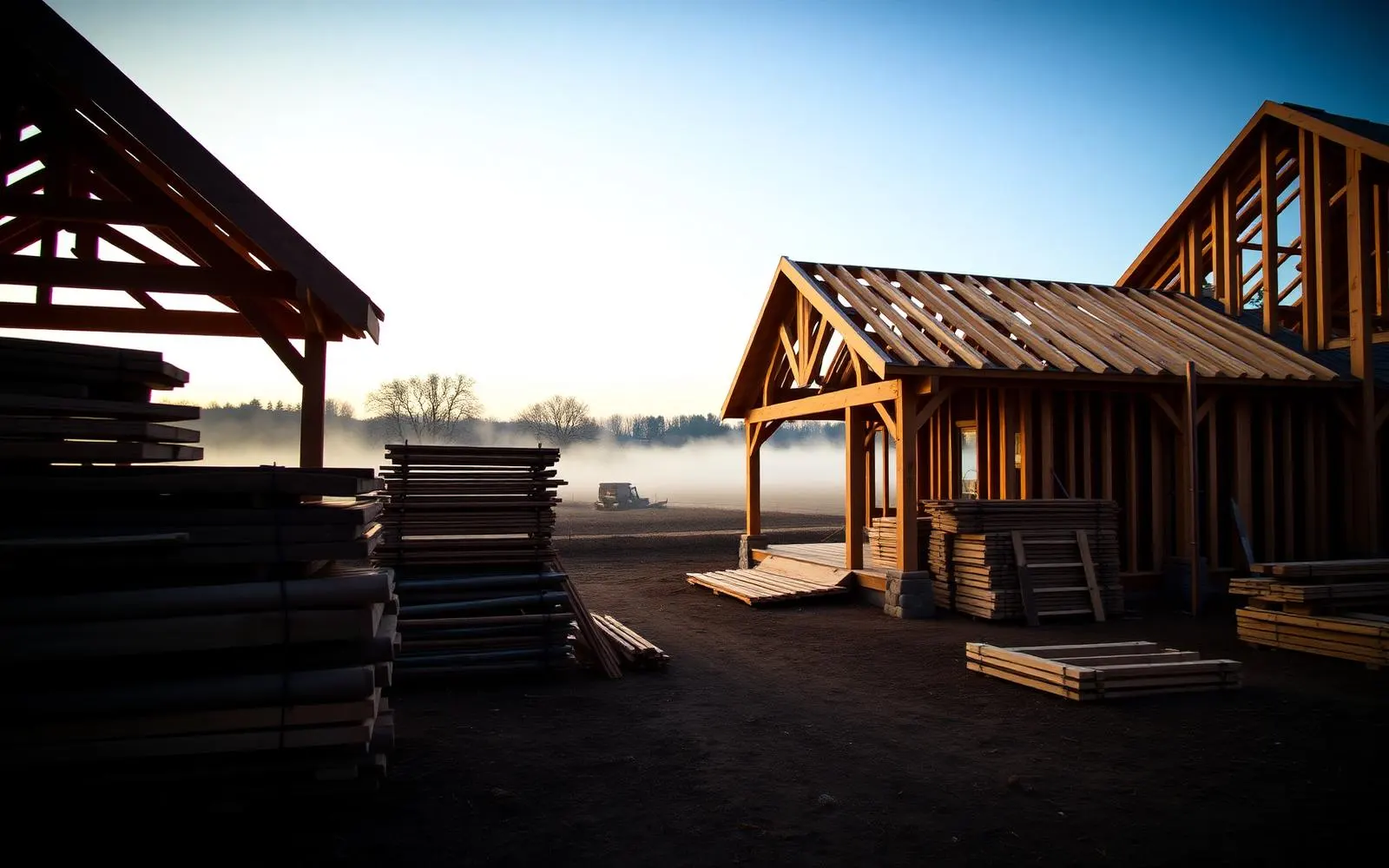
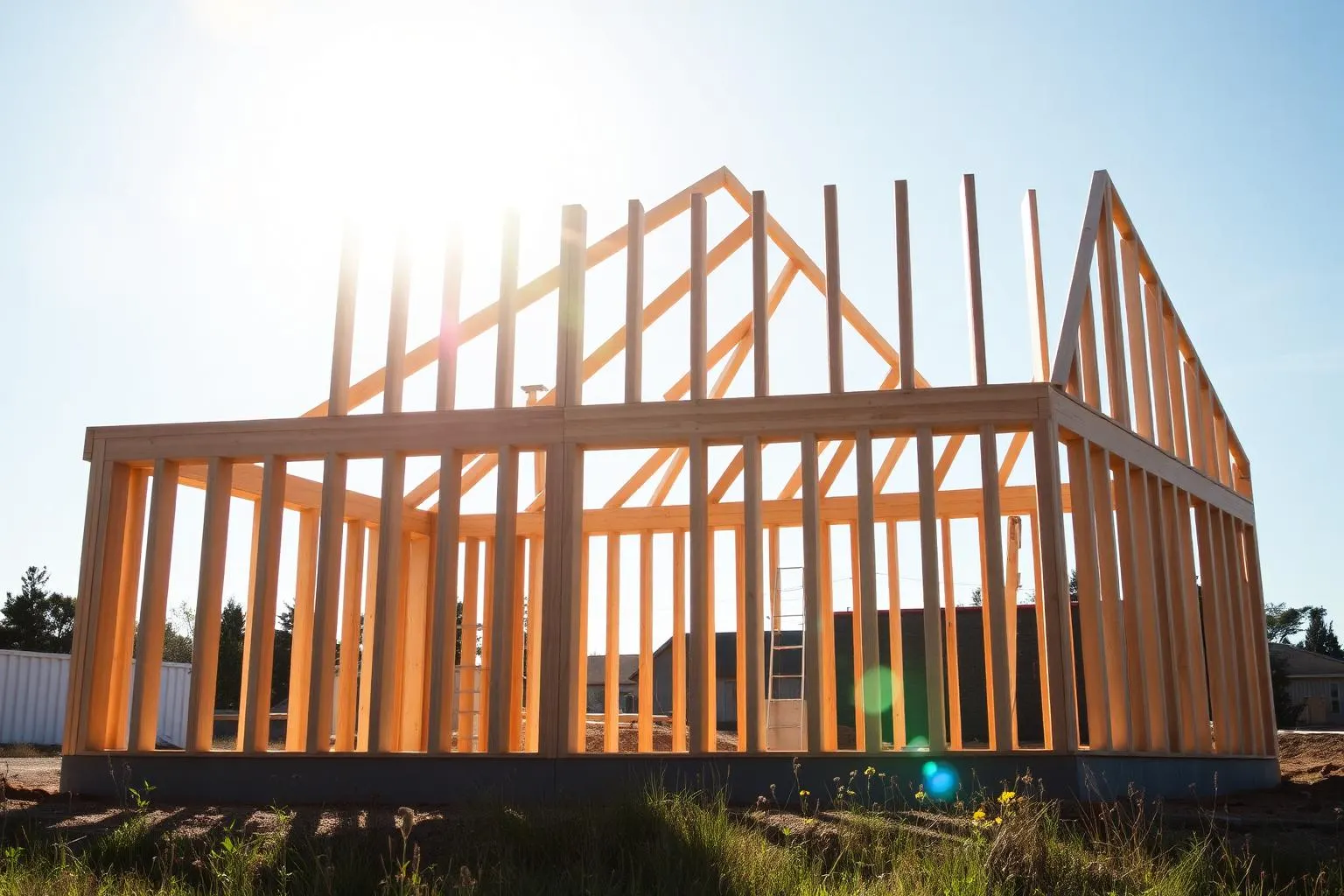
At the end of framing week the site smells like cut lumber, the light comes through the studs in stripes, and you can stand in what will be a kitchen and see all the way through to the yard because there is no exterior sheathing yet. It never looks like that again.
Take the photograph. Then let them work.
What to take from this
- Rooms almost always look too small during framing. Measure before reacting.
- Raise window and electrical placement now. Save wall changes for after drywall unless measurements prove a problem.
- Change orders cost schedule as well as money, and schedule costs interest on a construction loan.
- Photograph every wall before insulation. You will want it later.
The Journal is written for people thinking about homes, not just financing them. Articles are educational and reflect general observation about Pennsylvania housing, architecture, and daily life. Nothing here is an offer to lend, a commitment to a rate, or an appraisal of any particular property. Corie Adams, NMLS #1875205. Network Funding, LP, NMLS #2297. Equal Housing Opportunity.