“The homes were not late. The approvals were.”
One
The situation
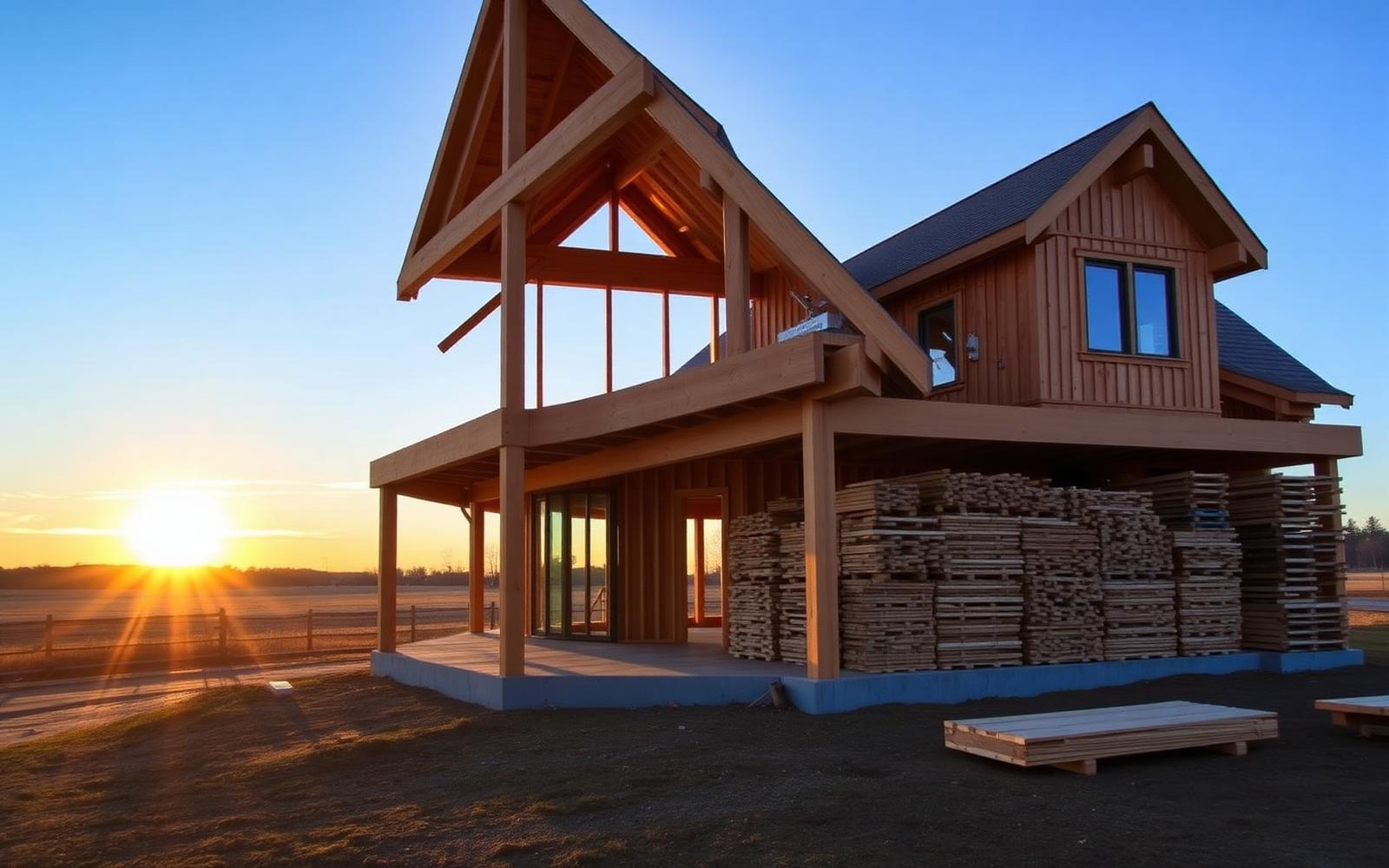
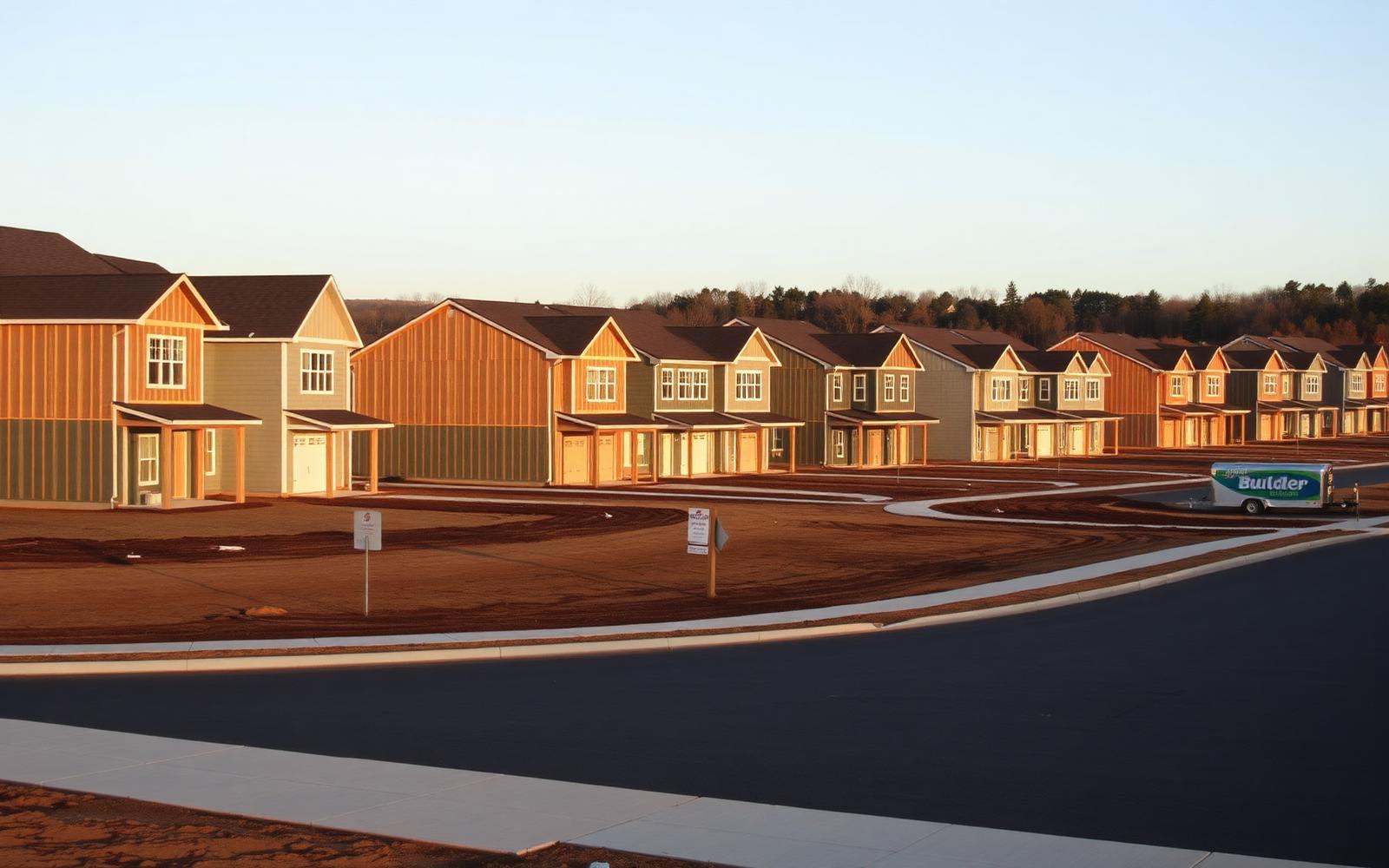
A builder delivering roughly forty homes a year across three communities, selling from plans with nine to eleven month build times.
Sales were strong. Settlements were not predictable, which made scheduling trades, ordering materials and forecasting revenue harder than building the houses.
Two
The challenge
Buyers were writing contracts on pre-qualifications, then encountering problems late: a credit event, a job change, a rate move that pushed a payment past comfort, or design center selections that outran the approval.
Each late discovery meant a delayed settlement or a dead contract on a finished house, which is the most expensive kind of inventory a builder can hold.
Three
The education
We worked with the sales team on what a qualified buyer looks like at contract, and how to ask for it without turning a sales appointment into an interrogation.
We taught the design center conversation: upgrades change the loan amount, and there is a threshold past which the appraisal and the approval both need to be revisited before the selection is signed.
We covered extended rate lock structures so buyers could commit early in a long build without carrying an open-ended payment question for nine months.
Four
The financing strategy
Move qualification to the front of the contract, monitor the file through the build, and give buyers a way to fix their payment before drywall.
- Full underwriting at contractBuyers were underwritten before a slab was poured, so surprises surfaced in week two rather than month seven.
- Design center guardrailsAn upgrade budget was set against the approval, with a defined checkpoint before selections exceeded it.
- Extended rate lock optionsBuyers in long builds could lock a payment early instead of watching the market for nine months.
- Milestone check-ins through the buildCredit and employment were re-verified at set milestones so nothing drifted quietly.
Five
The outcome
Settlement dates became predictable enough to schedule trades against, which is the outcome a builder actually wants from a lending partner.
The sales team stopped selling on price alone and started selling on certainty, which held up better when rates moved.
Six
What a future buyer can take from this
- In a long build, the financing risk is the schedule risk. Underwrite at contract, not at drywall.
- The design center is a financing conversation. Set the upgrade budget against the approval before selections begin.
- Extended locks are a sales tool, not just a rate tool. They let a buyer commit with a known payment.
- Re-verify at milestones. A nine-month build is long enough for a job, a credit card or a car loan to change everything.
Where to go next
Get Pre-ApprovedThese are case studies, not testimonials. Each one is a composite drawn from situations that recur across Pennsylvania, with identifying details removed and figures rounded for illustration. Nothing here is an offer to lend, a rate quote, or a guarantee of terms. Your own approval, program eligibility, and costs depend on your credit, income, assets, and the property.