“A house cannot emphasize everything. Glass spread evenly emphasizes nothing.”
Stand in a new house at ten in the morning and you will usually find every room evenly lit, which sounds like a compliment and is not. Even light is flat light. It has no direction, which means the house has no orientation, which means no room in it feels like the room.
The houses that stay in your memory almost always concentrate. There is one window that the whole plan defers to, and everything else is arranged to make that window matter. It is a decision, and it is usually made early or not at all.
Choosing the window before the plan
On a piece of land, the first useful exercise is not sketching. It is standing. Walk the site at three times of day and find where you want to look. It might be a treeline, a fold in a field, the way the ground drops toward a creek, or simply where the late afternoon light arrives. Mark it. That becomes the reference point the plan answers to.
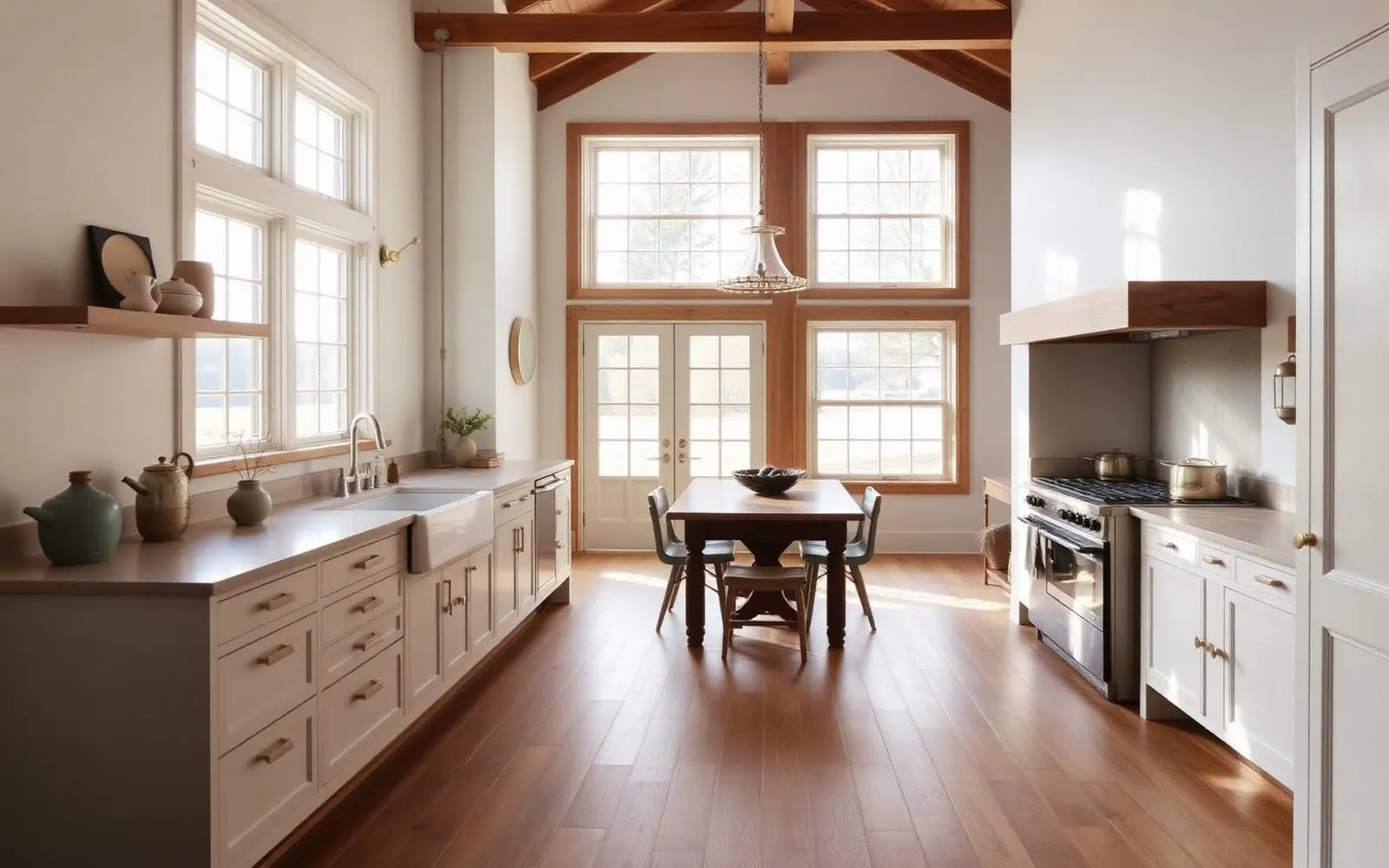
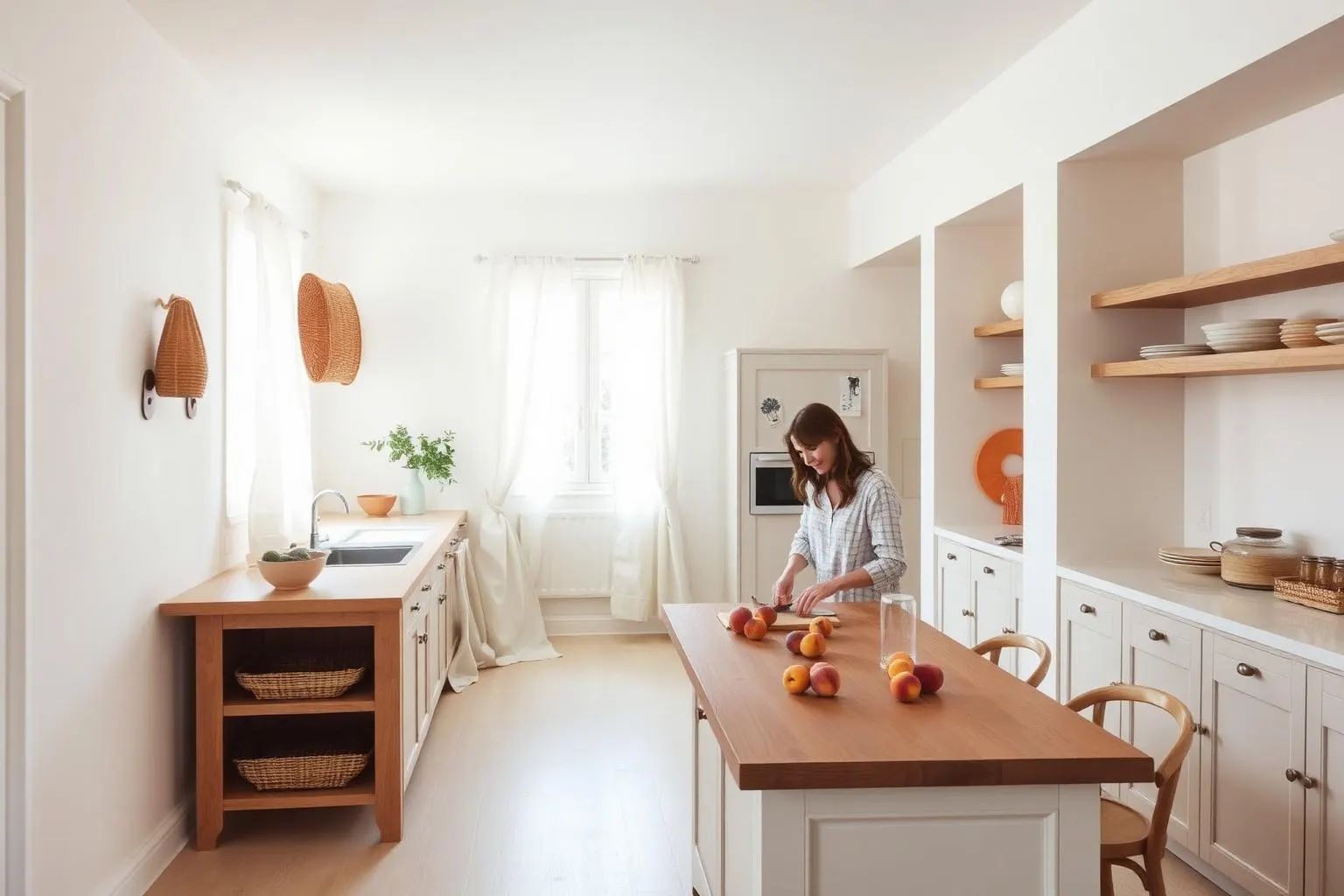
Then place the room you will use most where it can see that. In practice this is often the kitchen or wherever people actually gather, not the formal space. Plenty of houses put their best glass in a room used four times a year, which is a strange way to spend money.
Put the best view where the ordinary life happens, not where the guests are received.
Why one big window beats several average ones
- Light from a single generous opening has direction, which models the room and makes surfaces look like themselves.
- Fewer, larger openings mean fewer thermal weak points and fewer places for water to find a way in.
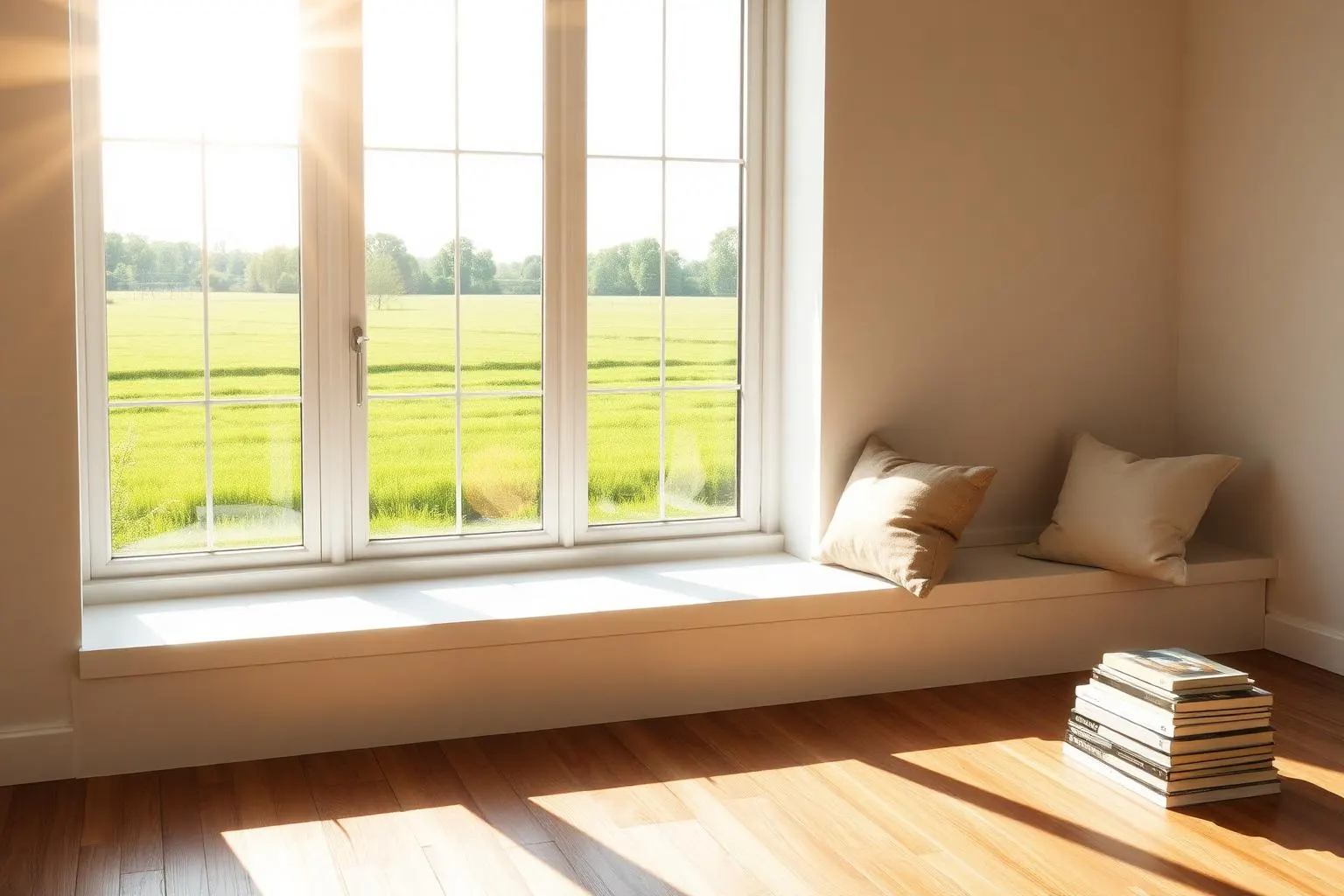
- A deep sill or seat only exists where the opening is big enough to warrant it, and a window seat is the cheapest beloved feature in a house.
- Concentrating glass leaves you solid wall elsewhere, which is where furniture, art and storage live.
Orientation is comfort, not just view
In Pennsylvania, south facing glass with a properly sized overhang gathers low winter sun and rejects high summer sun. That is not a green building slogan, it is geometry that has been understood for a very long time. West facing glass is the opposite. It is beautiful for forty minutes and hot for three hours in July.
So the honest version of the one window idea is that you are balancing two things: where you want to look and what the sun does there. Sometimes the answer is a big south window with a deep overhang and a smaller, carefully placed opening toward the view. That is a more sophisticated house than one with a wall of glass facing west.
Where this touches the budget
Glass is expensive, and a big opening costs more than its square footage because of the structure above it. That is exactly why concentrating matters. A fixed budget spent on one considered opening and simple windows elsewhere produces a better house than the same budget spread evenly.
On a build, decisions like this are best made during design rather than during selections, because structure follows them. Changes to structural openings after framing are the kind of change order nobody enjoys, and they are the reason it helps to have your financing and your plan settled in the same conversation rather than months apart.
What it feels like when it works
You come into the room and, without deciding to, you go toward the light. Somebody has left a book on the seat. The floor has a bright rectangle on it that moves across the boards through the afternoon, and in June it reaches the far wall by seven.
Nobody who lives there talks about the window. They just always end up sitting in it.
What to take from this
- Choose the one view the house is for before drawing the plan.
- Put the best glass in the room you actually use every day.
- Balance view against orientation. South glass with an overhang outperforms west glass.
- Resolve structural decisions before framing, which means settling the budget early.
Where to go next
The Journal is written for people thinking about homes, not just financing them. Articles are educational and reflect general observation about Pennsylvania housing, architecture, and daily life. Nothing here is an offer to lend, a commitment to a rate, or an appraisal of any particular property. Corie Adams, NMLS #1875205. Network Funding, LP, NMLS #2297. Equal Housing Opportunity.