“Old houses do not fail slowly and quietly. They fail in exactly four places, and all four can be inspected.”
Pennsylvania has more pre 1900 housing stock than almost anywhere in the country, and a great deal of it is still doing its job. The romance is real. So is the maintenance schedule.
The four places old houses fail
- Water management. Grading, gutters, and pointing. Nearly every serious problem in a stone or brick house starts as water that was allowed to sit.
- Structure at the sill. Where wood framing meets masonry is where rot and insects arrive first. Look in the basement at the perimeter.
- Systems. Knob and tube wiring, galvanized supply lines, and a boiler past its expectancy are not deal breakers but they are budget lines.
- Roof and flashing, especially at chimneys and valleys.
What is notably not on that list: plaster cracks, sloping floors, and doors that stick. Those are usually the house behaving normally after two centuries of settling and seasonal movement.
Get the right inspection
A general home inspector is trained on typical housing stock. For a house built before roughly 1940, it is worth paying separately for someone who works on old buildings, and for a mason to look at the pointing if the house is stone or brick. Repointing done wrong, with modern portland cement on soft historic mortar, causes damage that costs more than the original job.
Hard mortar on soft brick traps water in the masonry. The wall then fails instead of the joint.
Windows
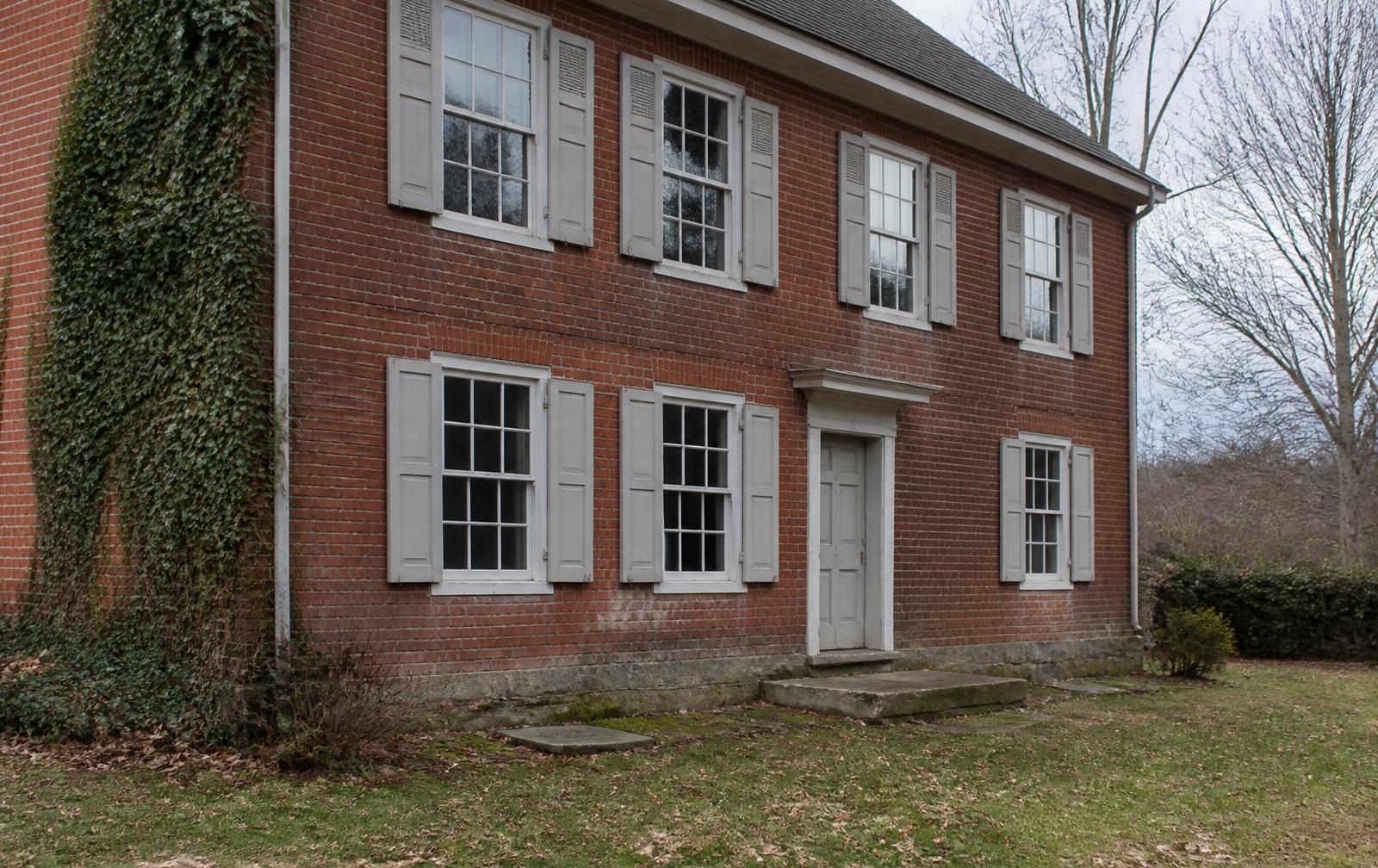
The reflex is to replace. The better analysis, in most historic Pennsylvania houses, is that original wood windows with proper storms perform close to replacements, last another century, and are repairable by a person rather than a factory. The replacement conversation is usually driven by convenience rather than physics.
What an appraiser sees
Historic homes can be difficult to appraise because comparable sales are genuinely scarce. An 1820 stone farmhouse on four acres has no true neighbor. That is worth knowing before you write an offer well above the recent sales in the township, because the appraisal is the number the loan is based on.
What to take from this
- Inspect water management, sills, systems, and roof. Ignore cosmetic settling.
- Hire an old buildings inspector and, for masonry, a mason.
- Repair original windows before considering replacement.
- Scarce comparable sales make appraisal a real risk on unique historic properties.
- Renovation financing lets purchase and repair happen in one loan.
Where to go next
The Journal is written for people thinking about homes, not just financing them. Articles are educational and reflect general observation about Pennsylvania housing, architecture, and daily life. Nothing here is an offer to lend, a commitment to a rate, or an appraisal of any particular property. Corie Adams, NMLS #1875205. Network Funding, LP, NMLS #2297. Equal Housing Opportunity.