“Every river town house has a relationship with water. The good ones are honest about it.”
The streets in Columbia run downhill toward the Susquehanna, which means every walk in town is either a small effort or a small reward. You notice it in your knees before you notice it on a map. You also notice it in the houses. Front doors sit high off the sidewalk. Basements are half above grade on one side and buried on the other. Downspouts do a great deal of work.
River towns in Pennsylvania have a particular kind of building stock, mostly brick, mostly narrow, mostly built when the ground floor was expected to be a workspace and the upper floors were expected to be a family. They are among the most interesting houses in the region to buy and among the easiest to misjudge from a listing photograph.
Grade is the first thing to read
Before you look at a single interior, walk the perimeter and figure out where water goes when it leaves the roof. In a town that slopes, water is not an abstraction. It is a direction. If the grade behind the house runs toward the foundation, that is a condition you will manage every spring, either with regrading and gutter extensions or with a sump and a dehumidifier.
None of that is disqualifying. Plenty of very good houses in river towns have been quietly managing water for a hundred and fifty years. What matters is whether the current owner has been managing it or ignoring it, and those two look different. Managed looks like extensions, clean window wells, a dry line on the block. Ignored looks like fresh paint at the base of a wall.
Old brick does not fail because it is old. It fails because something changed how it breathes.
Brick, mortar and the mistake people make
Older brick was made softer than modern brick and was laid with lime mortar, which is softer still. That was deliberate. The mortar was meant to be the sacrificial part, taking movement and moisture so the brick would not. When a wall is repointed with a hard modern mortar, the softest thing in the wall becomes the brick itself, and the face of the brick begins to spall.
You can see it from the sidewalk once you know to look. Crumbled faces, a chalky drift at the base of the wall, patches of mortar that look too gray and too smooth against the older joints. It is repairable. It is also the kind of repair worth understanding before you own it rather than after.
- Look at the mortar joints on the weather side of the building, usually west or southwest.
- Check the sills and the lintels above windows, where water sits longest.
- Look up at the parapet or the top course. That is where a roof and a wall argue.
- In an attached house, ask about the party wall and the shared roof line. Your maintenance is partly your neighbor's.
Why these towns attract two very different buyers
The first is someone buying a first home who wants square footage, a porch and a walkable errand, and who is willing to trade a perfect kitchen for a street with texture. The second is someone buying a small rental, often a two unit, drawn to the same qualities for different reasons. Both are legitimate. They ask different things of the financing.
An owner occupant has more program flexibility than an investor does, generally speaking, and older homes needing work sometimes fit better inside a renovation loan than a standard purchase loan, because the repair scope is contemplated rather than treated as a problem to be solved before closing. A small multi unit property is underwritten differently again. The important part is not memorizing the categories. It is knowing that the house and the loan have to be chosen together.
The compensation
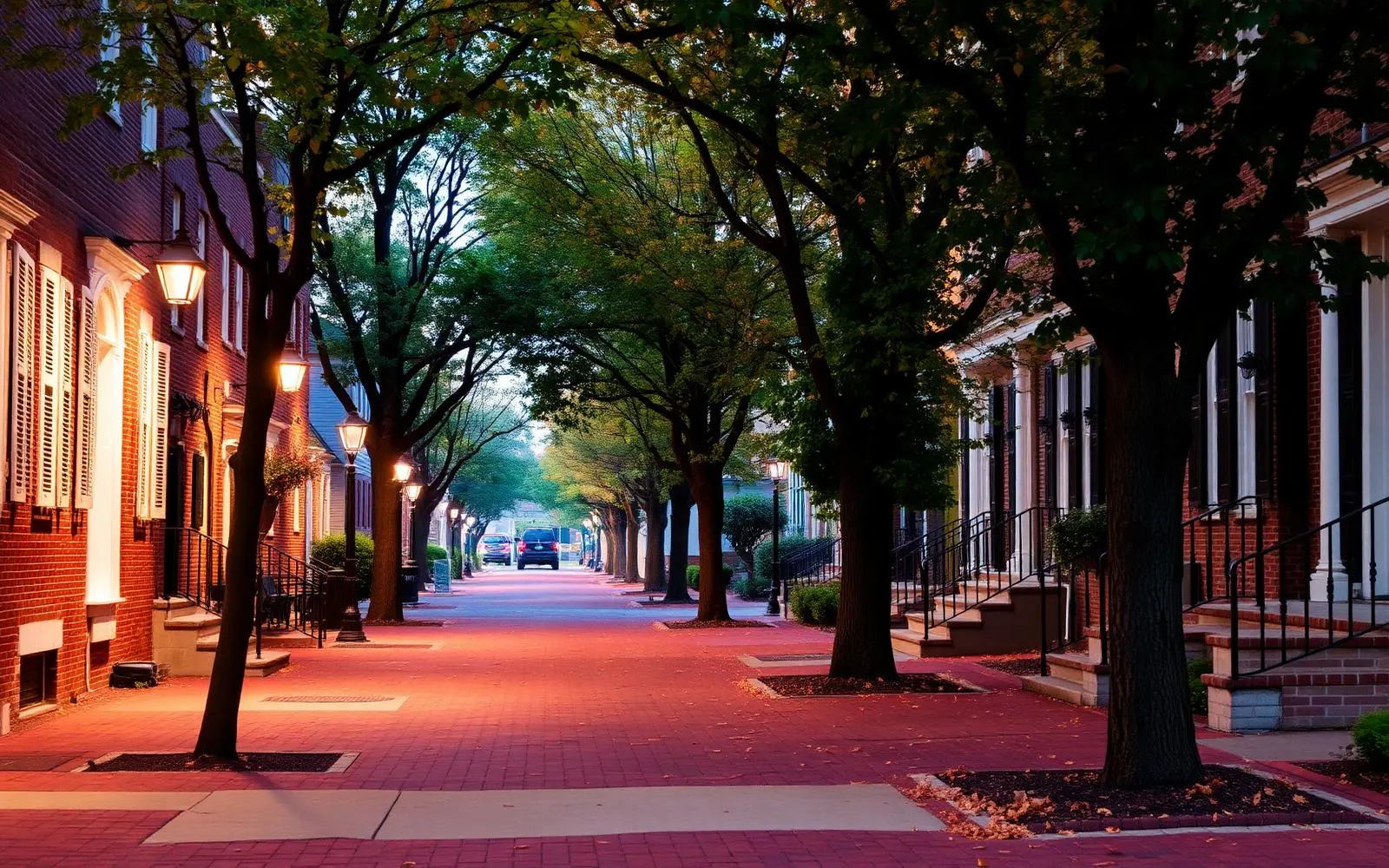
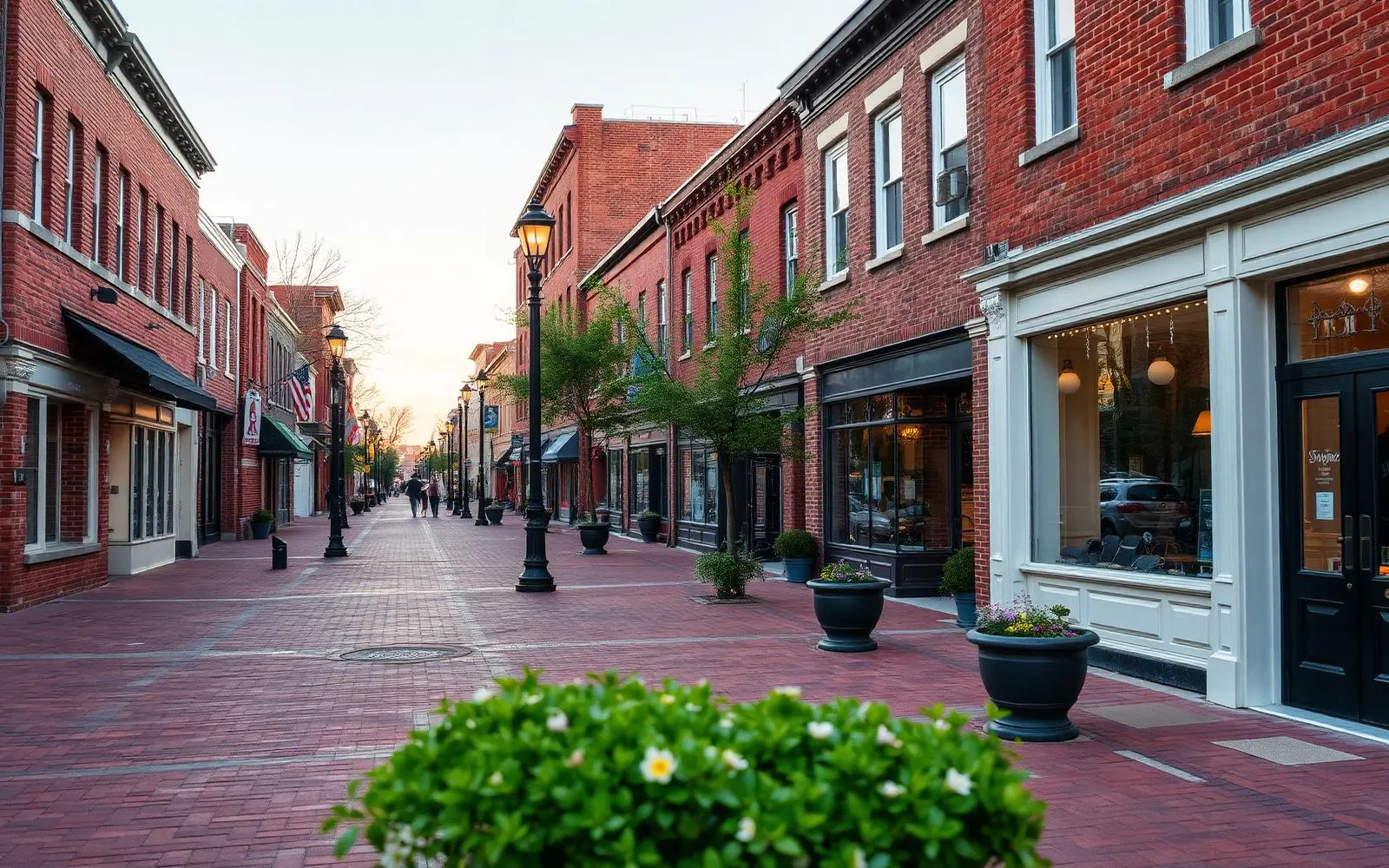
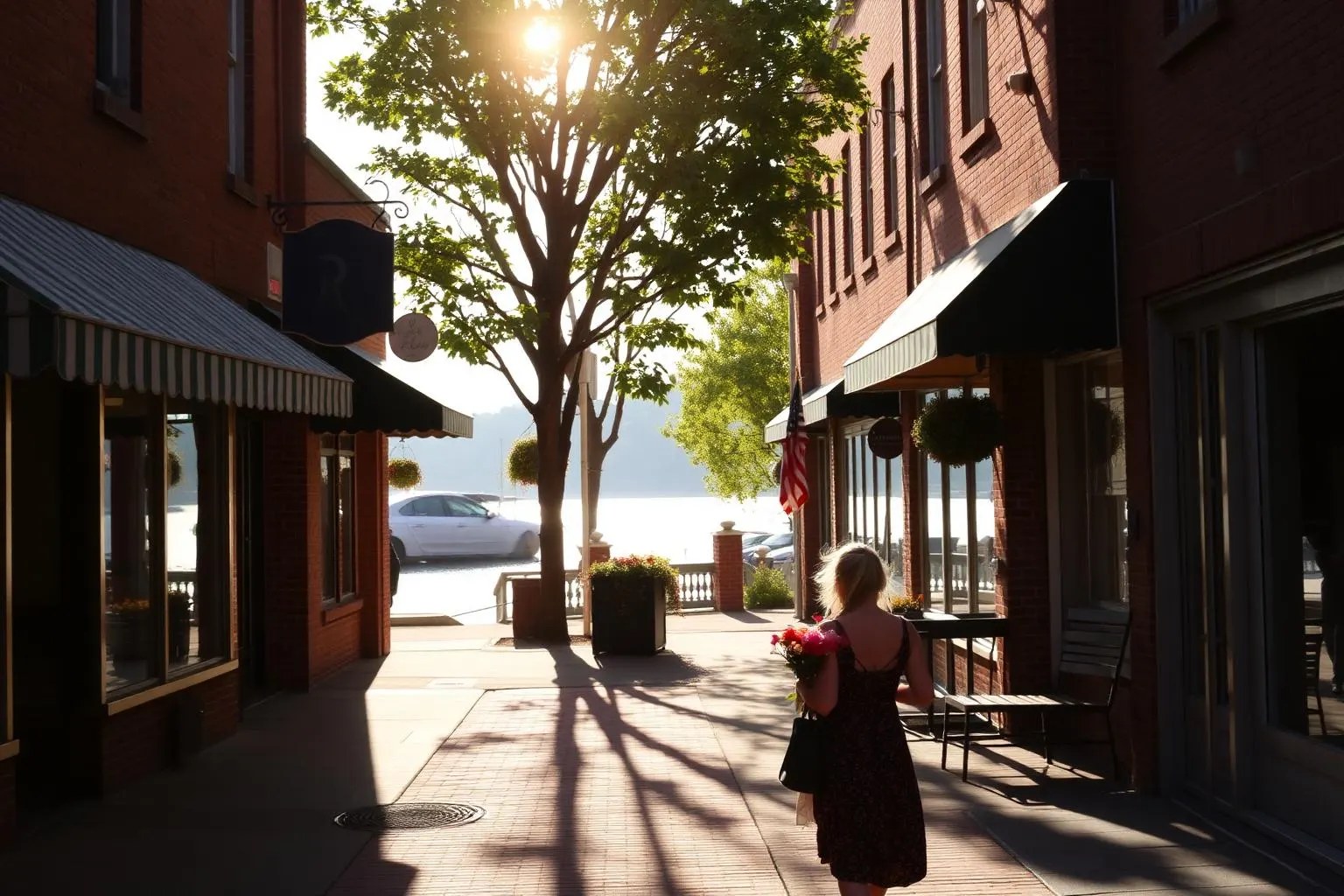
What you get in return for the grade and the brick and the downspouts is a town where the buildings were built to be looked at from a sidewalk. Doorways have transoms. Cornices have brackets that somebody was paid to make. The street ends at a river, which is a rare thing for a street to do, and on August evenings the light comes back up off the water and turns the whole west facing side of town the color of a peach.
That is not a reason to skip an inspection. It is a reason to schedule one.
What to take from this
- Walk the perimeter and read the grade before you read the kitchen.
- Soft historic brick needs soft mortar. Hard repointing damages the brick face.
- Owner occupant and small rental purchases are financed differently. Decide which you are first.
- Ask about renovation financing before deciding a needy house is out of reach.
Where to go next
The Journal is written for people thinking about homes, not just financing them. Articles are educational and reflect general observation about Pennsylvania housing, architecture, and daily life. Nothing here is an offer to lend, a commitment to a rate, or an appraisal of any particular property. Corie Adams, NMLS #1875205. Network Funding, LP, NMLS #2297. Equal Housing Opportunity.