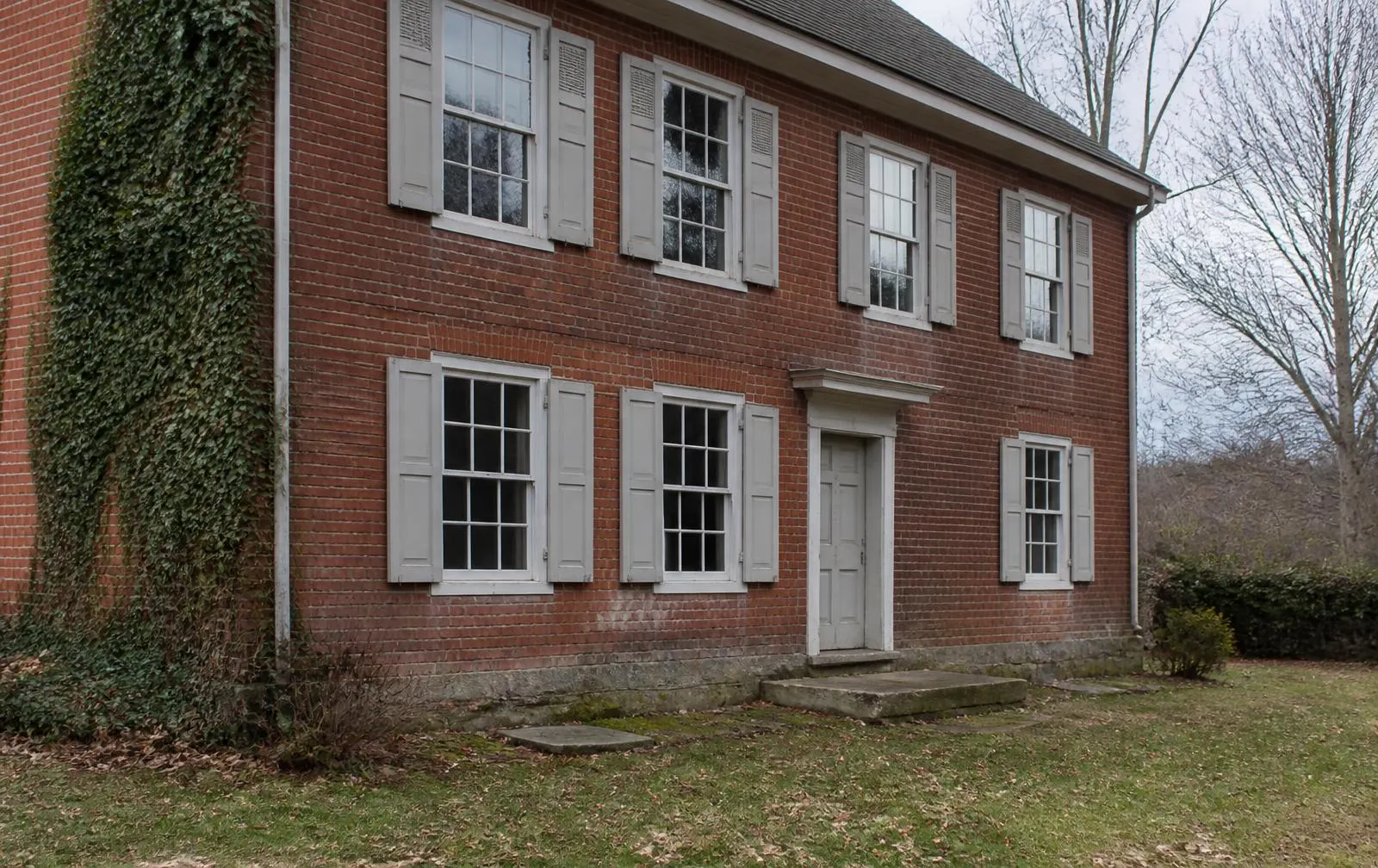
“You are not the owner of an old house. You are the current one.”
There are two things people mean by an old house. One is a building that has survived with much of its original material intact and needs care. The other is a new or heavily rebuilt house wearing the visual signals of age. The second is a decorating choice and can be done well. The first is a different undertaking altogether, with a different set of pleasures and a much longer list of Saturdays.
This piece is about the first. It is not discouragement. People who take on these houses in Bucks, Lancaster and York Counties rarely regret it. They simply describe the experience differently than they expected to.
What is actually original
Very little in a two hundred year old house has never been touched. Roofs have been replaced many times. Kitchens have moved. Windows have been reglazed and repainted. What survives, when you are lucky, is the structural frame, the masonry, the floors, some of the trim, some of the doors and hardware, and occasionally plaster on original lath.
Learning to identify that surviving fabric is the first skill, because it determines what deserves protection. Hand planed trim has slight irregularities and tool marks. Early doors are often assembled with pegs. Original floors show wear concentrated in traffic paths rather than distributed evenly. Old glass distorts the view slightly and reflects light unevenly.
Systems are the real project
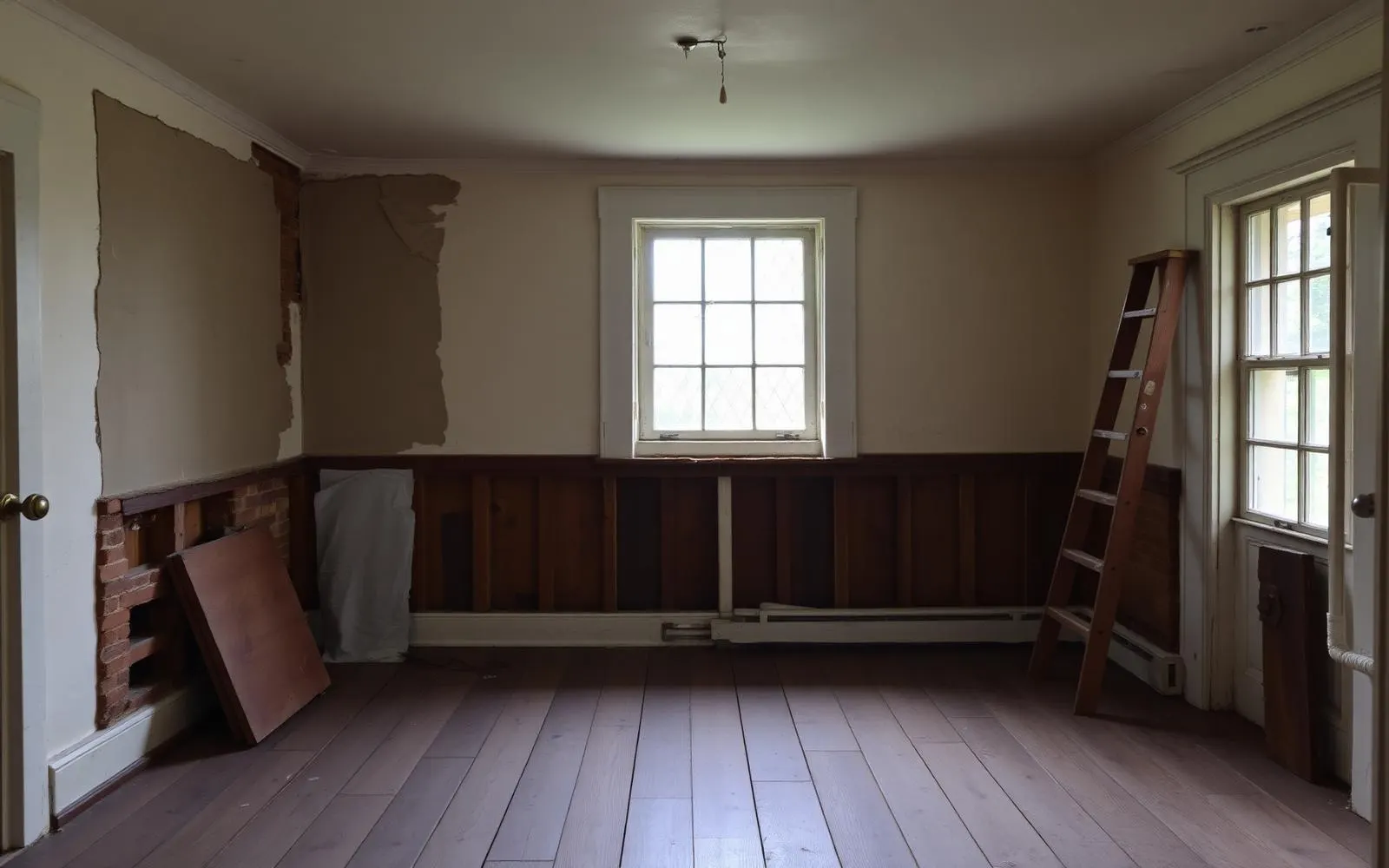
The romance is in the woodwork. The budget is in the systems. Wiring, plumbing, heating and, in older rural properties, the well and septic, are the items that determine whether a house is comfortable and safe. They also present the central puzzle of restoration: how to run modern services through a building that has no chases, no attic runs to speak of, and walls you do not want to open.
- Plan routes before demolition. The chase you cut in a closet is cheaper and less destructive than the one you cut through plaster later.
- Use rooms that were already altered. A twentieth century bathroom or a rebuilt wing is where new services should travel.
- Do the invisible work first. Every homeowner who finishes the kitchen before the wiring pays for that kitchen twice.
- Have masonry and roofing assessed early, because water is the only problem that makes every other problem worse.
Windows: the argument worth having
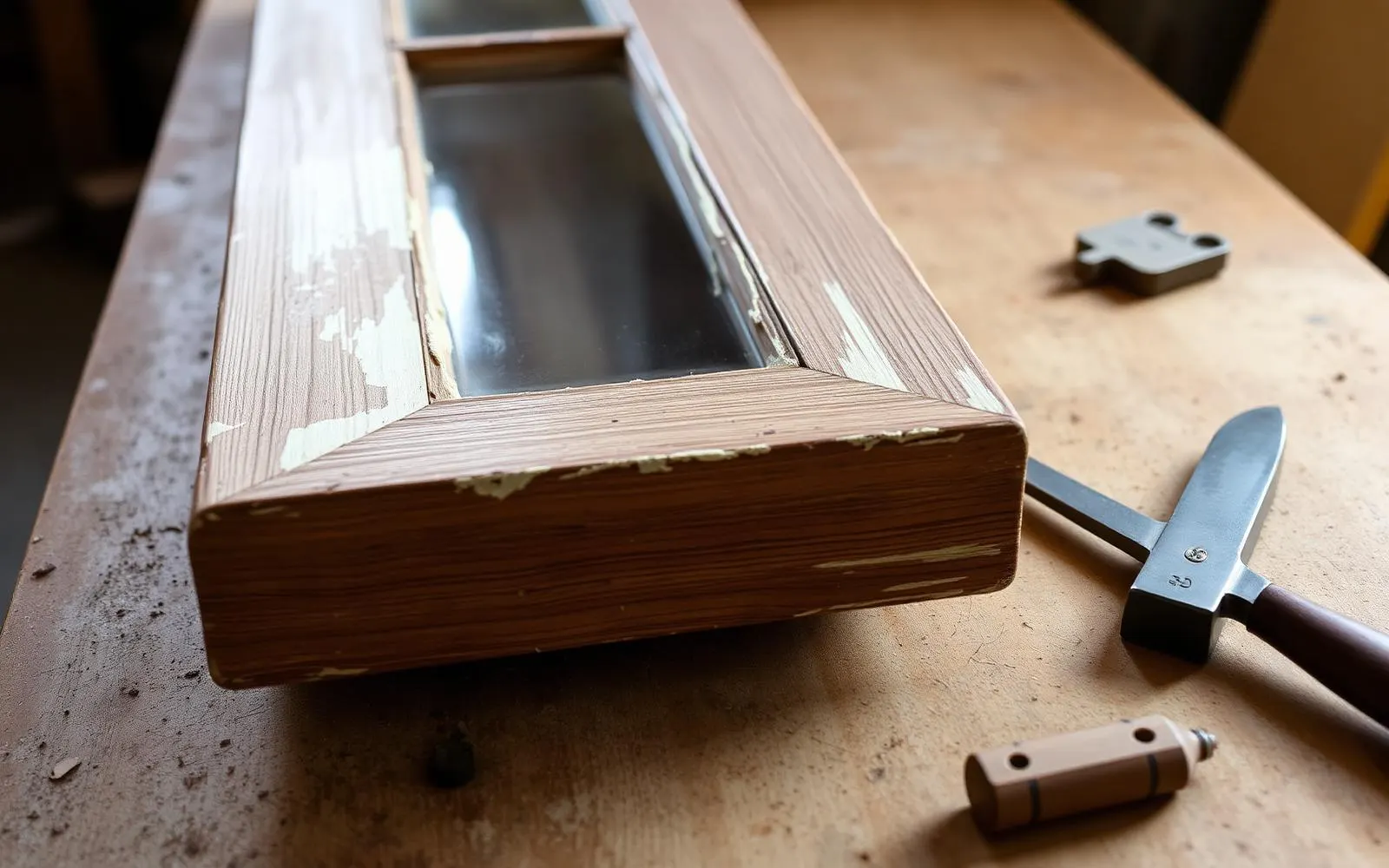
The default advice is replacement. For an original wood sash in repairable condition, that advice is usually wrong. Old growth wood in a two hundred year old sash is denser and more rot resistant than most new material, and the sash was designed to be taken apart and repaired indefinitely: reglaze, replace a sill or a lower rail, rebuild the weights and cords.
Paired with a well fitted storm window, a restored sash performs respectably and keeps the light quality that made the room worth saving. Replacement makes sense when a unit is genuinely beyond repair or was already replaced badly in 1985. It rarely makes sense simply because the sash is old.
Mortar, plaster and the temptation of the hard fix
The most common damage done to old buildings is done with good intentions and modern materials. Portland cement pointing on a stone or soft brick wall is harder than the masonry around it, so moisture that used to escape through the joint escapes through the face of the stone instead, and the stone crumbles. Lime based mortar, matched to the original, is the repair that lets the wall keep working.
The same principle applies inside. Plaster can be repaired, keyed back, patched and skimmed. Every wall that goes from plaster to drywall loses a little of the depth, the slight unevenness and the sound of the room, and those qualities are cumulative.
Old buildings breathe. Most of the harm we do is sealing them up with something stronger than they are.
Additions: honest, or invisible
Every generation added to these houses, and there is no reason yours cannot. The two defensible approaches are to build something quietly contemporary that does not pretend, or to build something so carefully matched in proportion, materials and detail that it disappears. The failure mode is in between: an addition with the gestures of an old house and none of the discipline, oversized windows in a colonial arrangement, thin trim, machine perfect stone veneer.
Scale is the detail that matters most. Historic additions were almost always subordinate to the main block, lower in height and shorter in length. A wing that outsizes the original house reads wrong from the road no matter how good the materials are.
Maintenance is the actual lifestyle
An old house in good repair asks for a steady rhythm rather than heroics: gutters cleared twice a year, paint maintained before wood is exposed, mortar checked, grading watched, roof inspected, wood kept off the ground. The houses that fall apart are almost never the ones that suffered a catastrophe. They are the ones where small water problems ran unattended for a decade.
That rhythm is the trade for what you get: rooms with proportions nobody builds anymore, light through wavy glass, floorboards a foot and a half wide, and the specific satisfaction of having handed the thing on in better shape than you found it.
What to take from this
- Identify original fabric first; it determines what is worth protecting.
- Do wiring, plumbing, roofing and masonry before finishes, every time.
- Repair original sash and add storms rather than defaulting to replacement.
- Repoint with lime based mortar, never harder cement, on soft historic masonry.
Where to go next
The Journal is written for people thinking about homes, not just financing them. Articles are educational and reflect general observation about Pennsylvania housing, architecture, and daily life. Nothing here is an offer to lend, a commitment to a rate, or an appraisal of any particular property. Corie Adams, NMLS #1875205. Network Funding, LP, NMLS #2297. Equal Housing Opportunity.