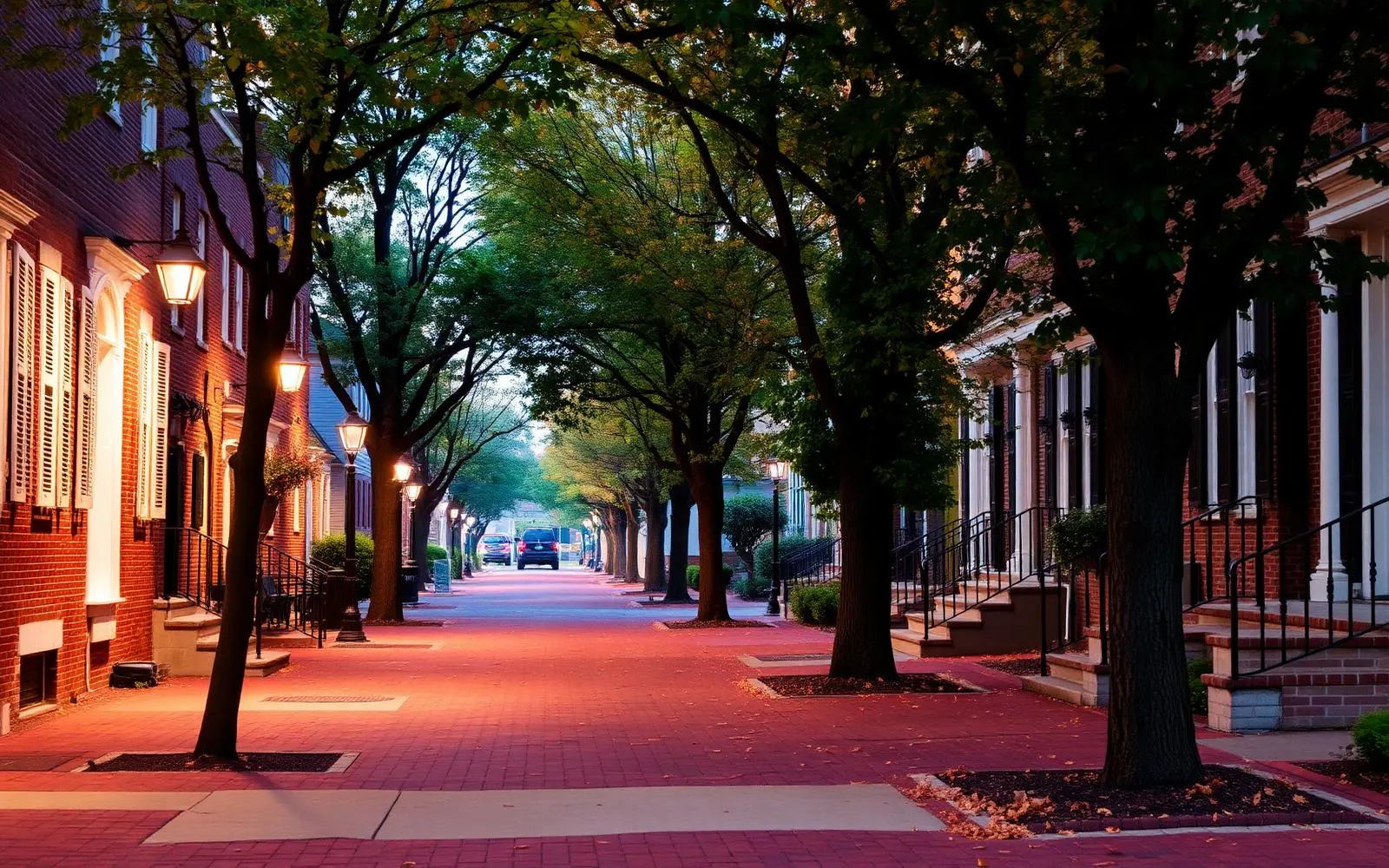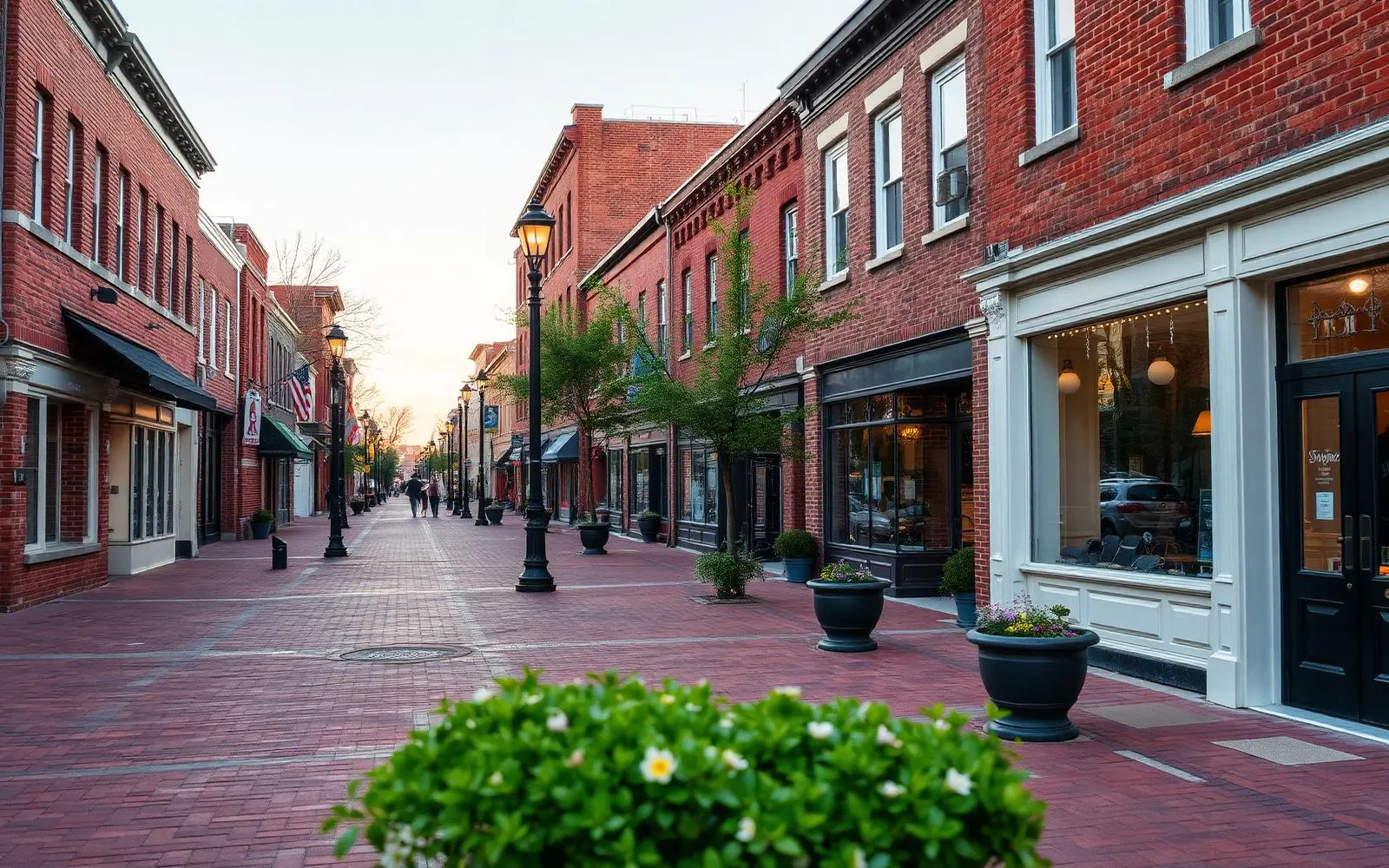
“A grid built for walking keeps working long after everyone bought a car.”
Towns laid out on a grid in the eighteenth century share a quality that is hard to reproduce. The blocks are short. Short blocks mean frequent corners, frequent corners mean choices, and a walk with choices in it feels shorter than a walk without them, even when it is the same distance.
In Carlisle you can feel this within a few minutes of parking the car. The center is dense enough to be interesting and small enough to be crossed. That combination is the reason people who move into old boroughs frequently report driving less without having decided to drive less.
Measure the radius, not the address
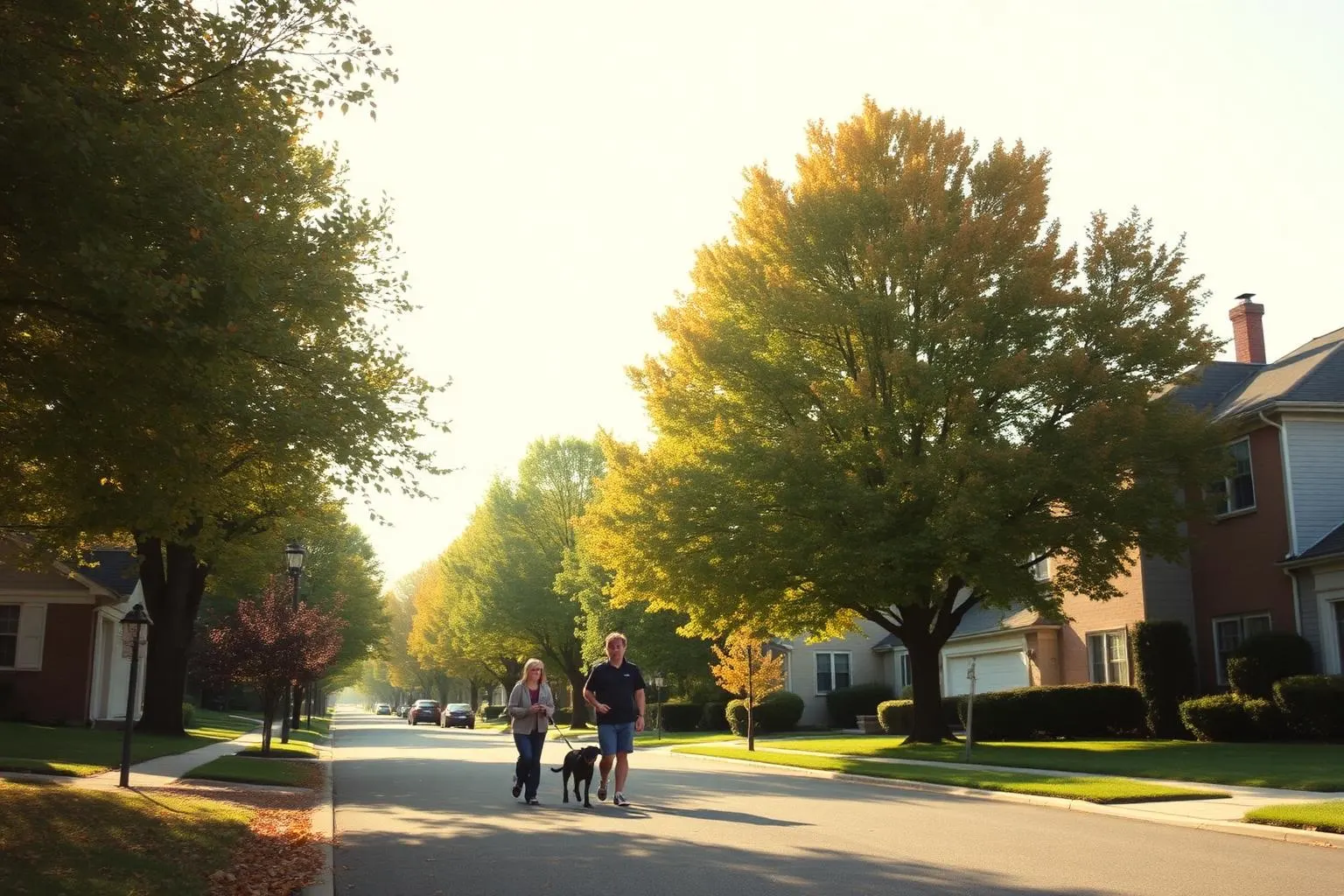
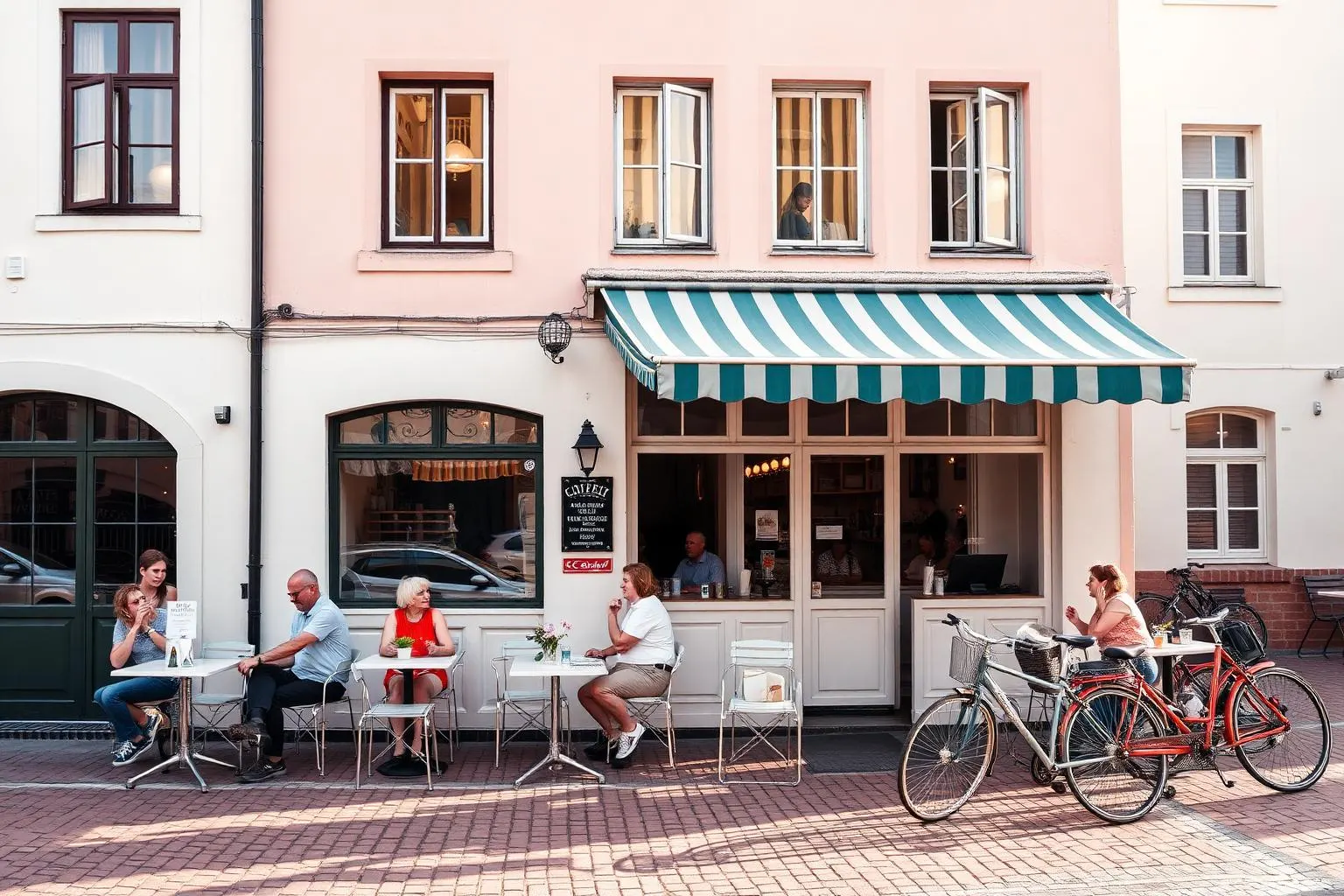
Here is an exercise worth doing before you make an offer in any walkable town. Stand at the front door of the house you are considering and walk fifteen minutes in three directions. Note what you passed. Groceries, a pharmacy, a park, a library, somewhere to eat, somewhere to sit. Then do the same from the second house on your list.
The results are usually not close. Two houses at the same price, four blocks apart, can differ by an entire category of daily errand. That difference compounds every week for as long as you own the place, which is a longer horizon than most buyers use when comparing kitchens.
Compare walking radiuses the way you compare kitchens. One of them you use every day.
What old grid houses ask for
The housing stock in boroughs like this is mixed in a way suburban buyers find unfamiliar. A brick townhouse from one century can sit beside a frame house from the next, next to something built in the nineteen fifties on a lot that burned. That mix is part of the appeal and it means condition varies enormously across a single block.
- Parking is a real question. Ask whether it is on street, permit based, or a rear pad, and go look at it on a weekday evening.
- Shared walls change soundproofing, insurance and roof responsibility. Understand what is shared before closing.
- Older systems are common. Knob and tube wiring, older service panels and aging heating systems affect both safety and insurability.
- Alleys and rear entries are load bearing infrastructure in these towns. Walk them.
Why first buyers do well here, and where they get caught
Boroughs often hold the most attainable listings in a county, which makes them a natural fit for a first purchase. The trap is not price. It is treating the inspection as a formality on a house that has been standing for a hundred and forty years.
The strongest first time buyers I work with do two things. They get the inspection early enough to actually think about it, and they know their real monthly number before they start looking, including taxes and insurance rather than principal and interest alone. Neither of those is glamorous. Both prevent the specific kind of heartbreak where someone loves a house they cannot comfortably carry.
The hour when a grid town is at its best
Late October, around five, when the light comes down the length of a street because the street runs the right way. Somebody has put a pumpkin on a step. Two people are standing at a corner having the conversation they intended to have in thirty seconds, four minutes ago.
You can build a lot of things. You cannot build a short block after the fact.
What to take from this
- Walk fifteen minutes in three directions from the front door before choosing between houses.
- In mixed borough housing stock, condition varies enormously within one block.
- Confirm parking, shared wall responsibilities and system age before closing.
- Know your comfortable payment including taxes and insurance before you shop.
The Journal is written for people thinking about homes, not just financing them. Articles are educational and reflect general observation about Pennsylvania housing, architecture, and daily life. Nothing here is an offer to lend, a commitment to a rate, or an appraisal of any particular property. Corie Adams, NMLS #1875205. Network Funding, LP, NMLS #2297. Equal Housing Opportunity.