“When every house is roughly the same house, the block becomes the decision.”
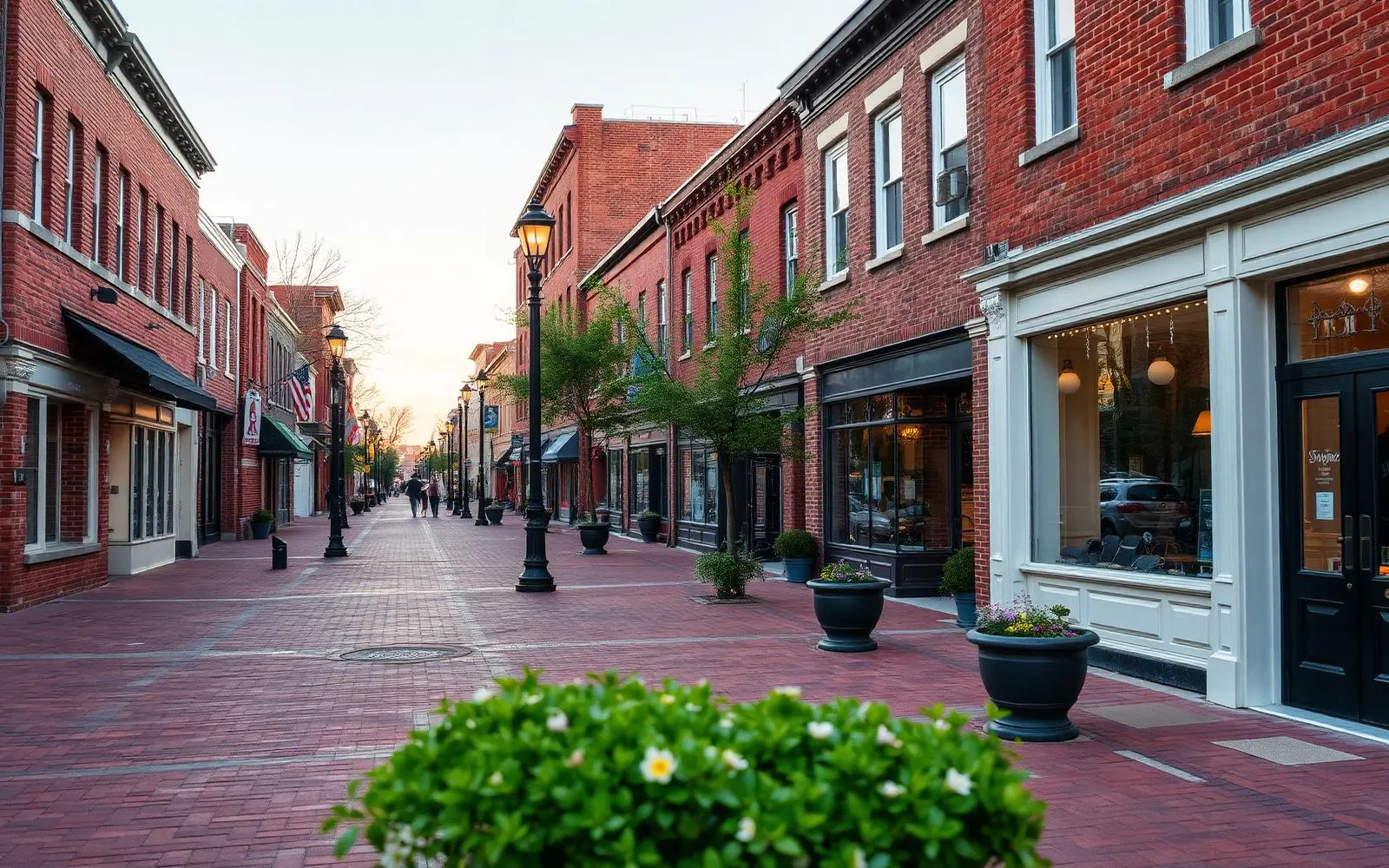
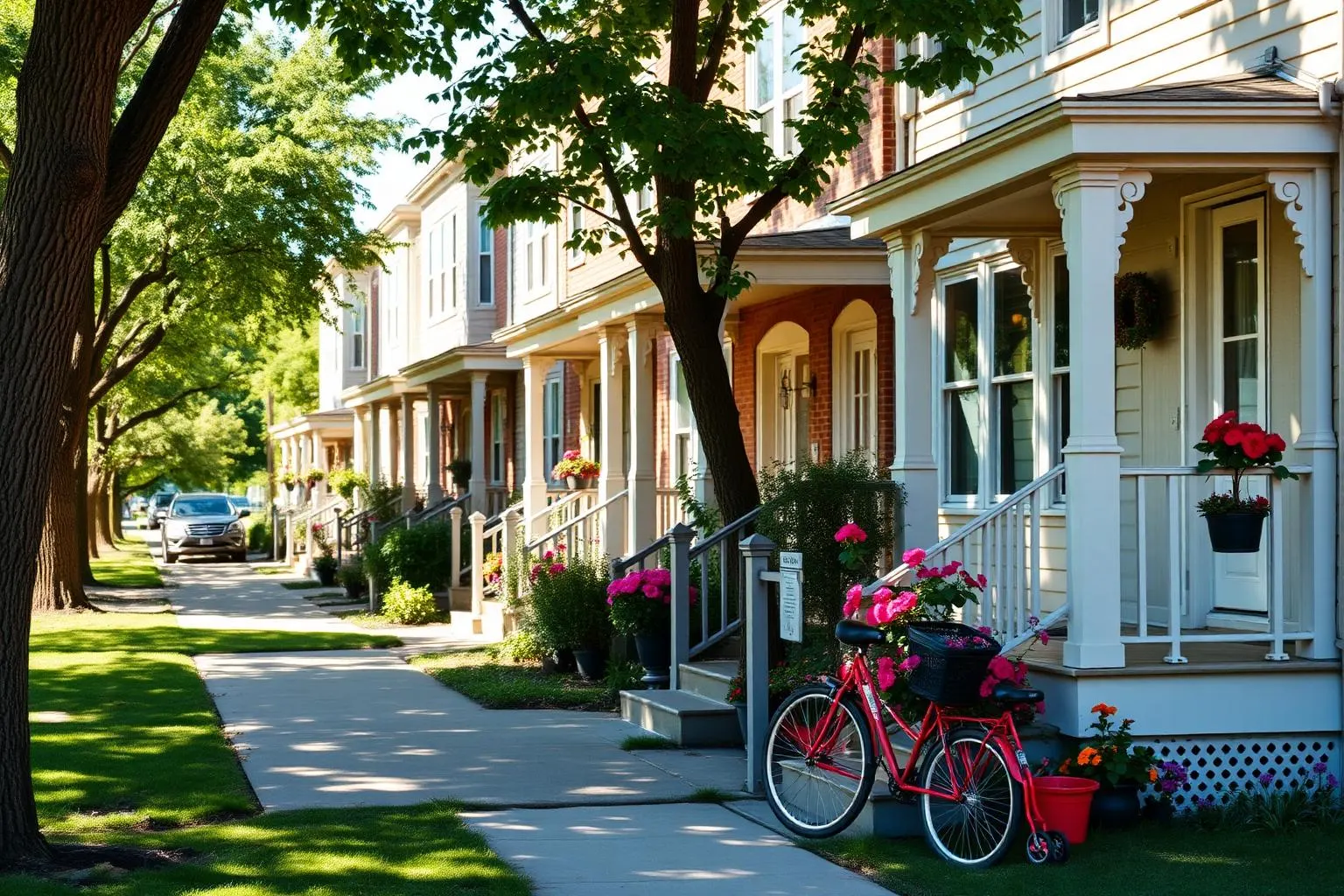
Walk two blocks in a borough like West York on a July evening and you will pass forty houses that were built by people solving the same problem with the same materials at roughly the same time. Porch, two windows up, two down, a narrow side yard or none at all. The uniformity is the point. It was efficient, it was affordable, and a century later it is still standing.
Buyers arriving from newer subdivisions often find this disorienting. Everything looks the same, so nothing seems to distinguish one purchase from another. The opposite is true. When the houses are similar, the small differences carry all the weight, and most of them are visible from the sidewalk in about four minutes.
The four minute read
- Porch roof. Look at where it meets the main wall. That junction is the most common leak on the whole street.
- Porch floor and posts. Soft wood at the base of a post is a slow, ordinary repair that gets expensive when ignored.
- Roof line across the row. If one house has a new roof and its neighbors do not, water has to go somewhere at the seams.
- Windows. Original wood, mid century aluminum and modern vinyl each tell you when someone last spent money here.
- The alley. Boroughs live in their alleys. Trash, parking, garages and drainage all happen back there.
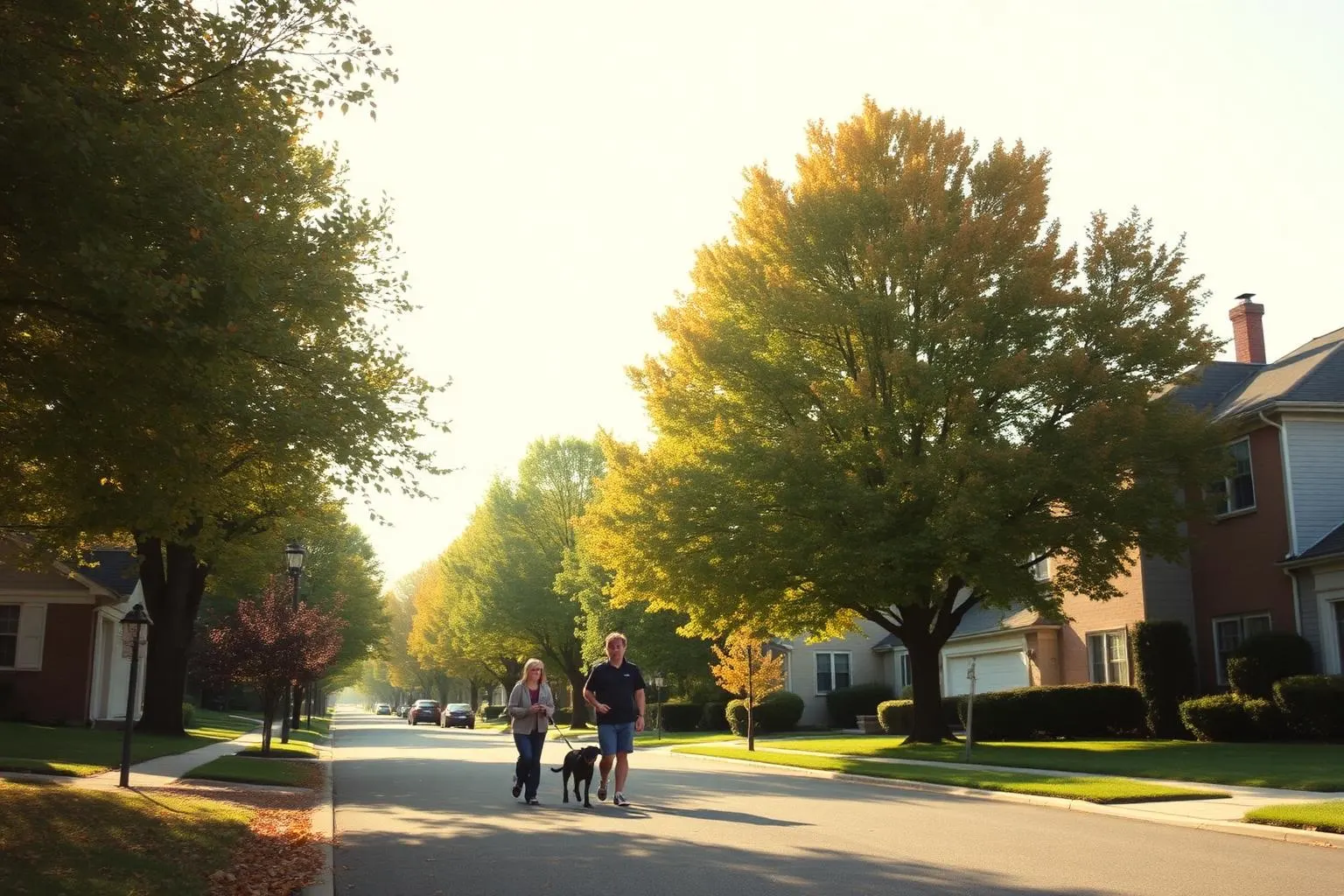
None of that requires a ladder or a flashlight. It requires walking rather than driving, at the pace you would walk a dog rather than the pace you walk to a car.
Rooms that were designed for a different life
These houses were laid out when a front parlor was a formal room and a kitchen was a workroom at the back, often small, often with the only exterior door anyone actually used. That layout is why so many of them feel awkward for the first month and comfortable after the third.
The best renovations in this housing stock are usually subtractive rather than additive. Take out a later wall that chopped a room in half. Open the kitchen toward the back door and light. Leave the front parlor a room instead of turning the entire ground floor into one long space that loses the proportion the house was built with.
The most improved rowhomes are usually the ones where somebody removed something.
Why these blocks attract first buyers and small investors at once
Entry prices in older boroughs are frequently the lowest in a county, which draws two groups into the same listings: people buying their first home and people buying their first rental. Both should understand that the low purchase price is only part of the picture. These houses are old enough that systems, roofs and porches are on a schedule, and a buyer who budgets nothing for that schedule will be surprised by it in year two.
That is not pessimism. It is planning. A house with a known list of upcoming work is a better purchase than a house with an unknown one, and the list is knowable. Inspections tell you most of it. A walk down the block tells you the rest, because the neighbors are living in the same house you are considering and their porches are showing you your future maintenance.
The evening test
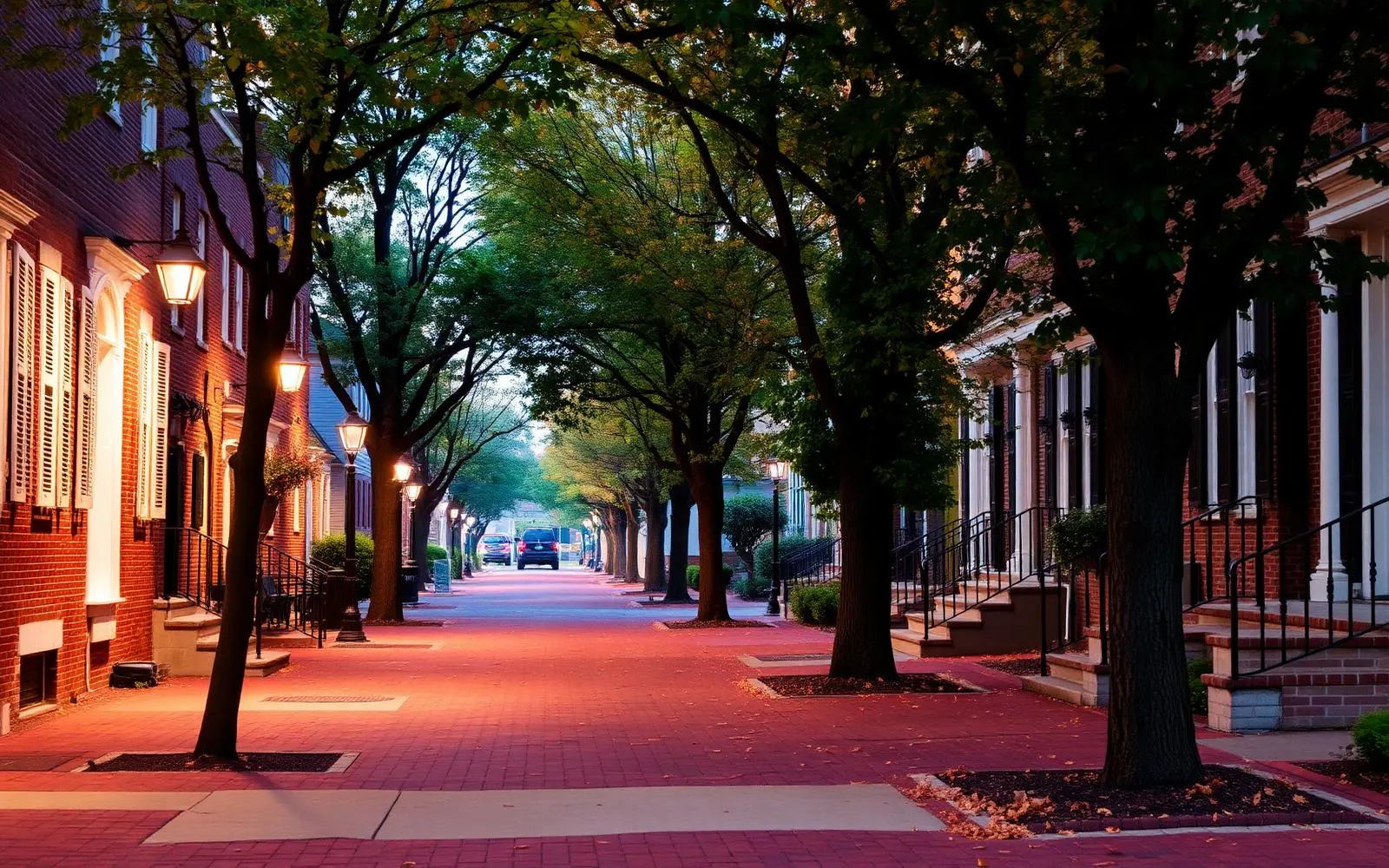
Come back at eight on a summer evening. Porch lights come on unevenly. Somebody is watering pots. Two people are talking across a shared step in the particular way people talk when they have had this conversation nightly for years. The street is doing the thing it was designed to do a hundred years ago, which was to put people outdoors near each other with somewhere to sit.
You cannot get that from a floor plan. You get it by standing there until the light goes orange and deciding whether you want to be part of it.
What to take from this
- Walk the block, not just the house. Porch roofs, alleys and neighboring rooflines are the real disclosures.
- Good renovations in old boroughs usually remove a later wall rather than add space.
- Budget for a maintenance schedule, not just a purchase price.
- Ask whether repair costs can be financed with the purchase before ruling a house out.
The Journal is written for people thinking about homes, not just financing them. Articles are educational and reflect general observation about Pennsylvania housing, architecture, and daily life. Nothing here is an offer to lend, a commitment to a rate, or an appraisal of any particular property. Corie Adams, NMLS #1875205. Network Funding, LP, NMLS #2297. Equal Housing Opportunity.